Summer Vegetable Review

August in the South is hot and muggy and buggy, but we can sometimes catch a glimpse of Fall just around the corner. It seems like yesterday we were sowing seeds for our Spring garden and now most of the crops have been harvested and summer is coming to a close. Since I wrote about our garden earlier in the year I’m sure folks are curious about how it turned out and I wanted to share the results!

Summer Vegetable Review!

We’ve been gardening without the use of pesticides for many, many years, but this was the first year we exclusively used USDA NOP certified or approved seed. We purchased most seed from two different sources – Johnny’s Seed and Seeds for Change – which I will list below. We bought some Aji Colorado Pepper seeds from Horizon Herbs and found some USDA NOP Clemson Spineless Okra seeds at Lowes and some untreated Park’s Whopper Seeds at Cousin’s Feed and Seed.

From Johnny’s Seeds: Rose Tomato, De Cico Broccoli, Yellow Crookneck Squash, Sugar Pearl Sweet Corn, and Rosa Bianca Eggplant.

From Seeds for Change: Oregon Trail Shell Pea, Oregon Giant Snow Pea, Roma 2 Bush Bean, Royal Burgundy Bush Bean, Straight Eight Cucumber, Sweet Marketmore Cucumber, Corno Di Toro Sweet Pepper, Costaluto Genovese Tomato, Arkansas Traveler Tomato, Roma Tomato, Lettuce Leaf Basil, Genovese Sweet Basil, Poppy Joe’s Basil, Lemon Basil, Red Velvet Okra, Crimson Sweet Watermelon, Ambrosia Cantaloupe.

Except for corn, beans and melons, we started all seeds inside under lights and some with a warming mat. Germination was excellent! What miraculous power within even the tiniest seed! It’s wonderful to see those tiny green sprouts in February!

With the exception of Aji Colorado, all the starts were beautiful! Actually we tried sowing Aji Colorado twice and germination was only about 25%. The seeds that germinated didn’t thrive which was disappointing. I’d not tried this variety before and they sounded so delicious. I can only suppose that for some reason these seeds weren’t viable and I keep meaning to call the good folks at Horizon Herbs to let them know.

De Cico Broccoli produced beautiful plants, but the timing was bad. Broccoli needs cool weather and I was hoping the long, cool spring would bring us lots of delicious shoots. Unfortunately this didn’t happen. The plants grew very large, but took too long to send out shoots. So our broccoli harvest was zero this spring. I will try more this fall/winter or perhaps winter/spring.

Fresh yellow crookneck squash are so delicious – especially when sautéed with Vidalia onions and basil! But within the last 6-7 years, it’s become more and more difficult to successfully grow yellow crookneck squash. These squash and other plants in the Cucurbitacae family are often plagued with squash bugs. We use interplanting techniques and rotate crops to try to outsmart the pests and it generally works well. We have many, many butterflies, bees, and other beneficial insects. This year, I tried to outsmart the bugs by planting the squash very early in out-of-the-way, mixed garden beds and odd spots. We were able to harvest a few times before noticing any signs of squash bugs. But by June, the critters found our plants. Initially, we hand picked all bugs and eggs that we could find, but as the summer progressed, we weren’t as diligent and they slowly but surely took over and the plants wilted and died. Next year we’ll try a different strategy.

Our early Oregon Giant Snow Pea and Oregon Trail Shell Pea were a great success and so delicious! I highly recommend them and wish we would have planted more! These peas are so tender and sweet that they can be eaten fresh out of the garden and I confess that I probably ate as many as I brought inside. These very tender peas can be used fresh in salads or gently cooked.

Beans and peas are very generous plants! As legumes, they have the ability to fix nitrogen in the soil while at the same time provide humans with nutritious and delicious food! Organic farming should always include beans and peas and other legumes!

My husband Earl looks forward to fresh corn every year. We’ve planted Silver Queen and several super sweet varieties over the years. We plant the corn in blocks and every year we have a great harvest! It’s very important to harvest and eat or freeze within a few hours to preserve the fresh, sweet flavor. Earl is the expert for this job and has it down to a science.

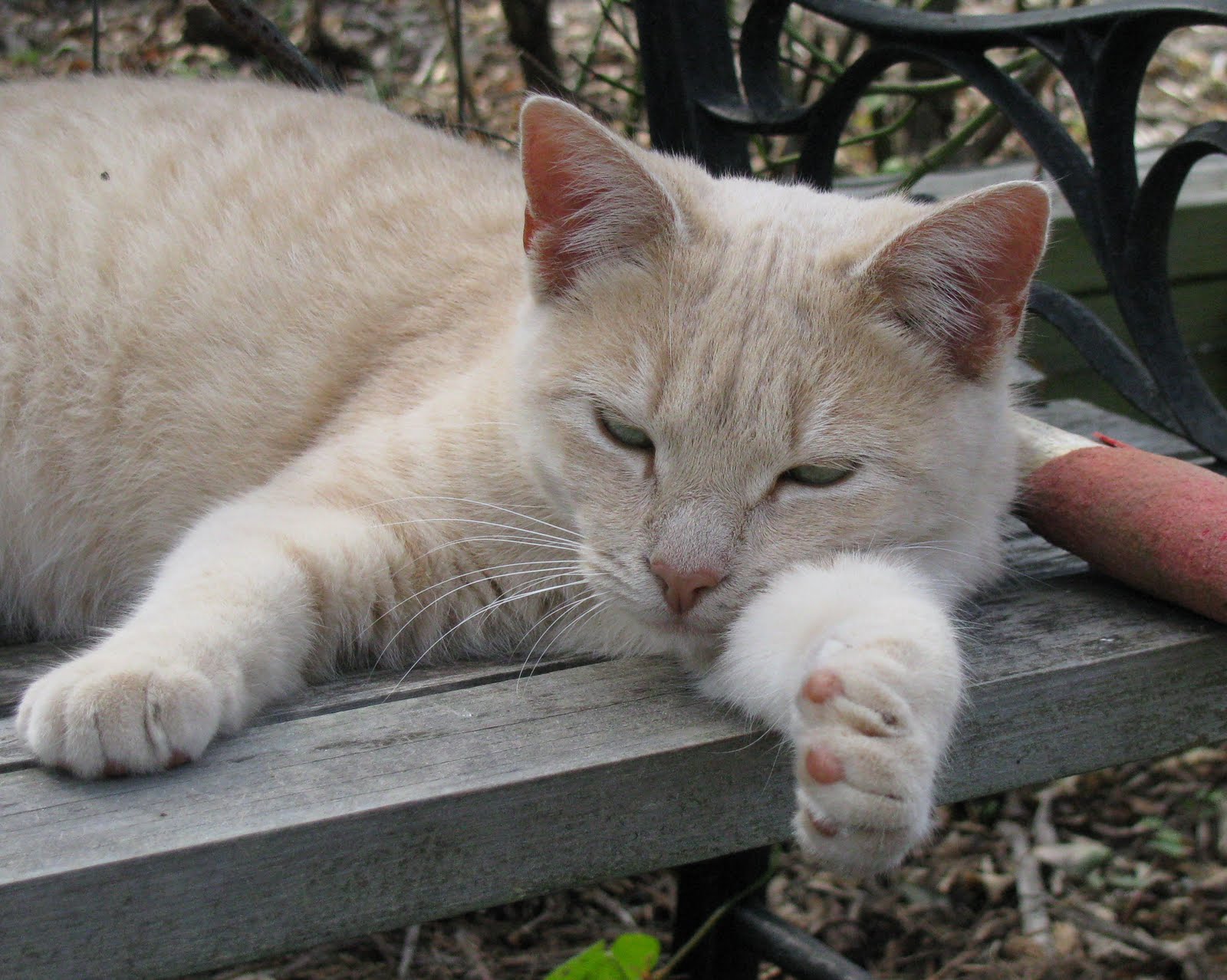
This year we planted USDA NOP Sugar Pearl from Johnny’s Seeds which looked like a good choice for early sweet corn. When the corn was about 4-5 inches tall, I fertilized with Hollytone and sowed Southern Peas along the rows. Corn requires huge amounts of nitrogen and I wanted to make sure we had enough in the soil. We weeded, watered, and nurtured the stalks for several weeks. The corn grew lush and green and the peas along with it. The corn was just about ready for harvest when the squirrels found it. In spite of the resin owl, the organic squirrel deterrent, Earl’s rock tossing (he missed every time), those fat squirrels got every single ear of corn. I suspect they were watching us the entire time and just waiting patiently to harvest it themselves. We’ll have to come up with a different strategy for next year. I’m thinking that Sir Thomas, one of our rescue cats who now lives in the garden, may be willing to help.

It’s interesting to note the differences in corn and peas. Corn is a rather selfish and demanding plant while peas are most generous. Corn requires a great amount of nitrogen, water, and lots of human energy to produce only one or two ears per stalk. Peas grow easily and quickly and produce generously while fixing nitrogen in the soil. And nutritionally speaking, peas are by far the best choice. I’ll vote for peas and beans.

The Roma 2 Bush Bean and Royal Burgundy Bush Bean were very tasty and produced well for about three weeks. Again, I only wish we would have planted more. Next year we will be sure to plant these varieties at intervals throughout the summer.

All Southern gardeners grow tomatoes and by February we are already anticipating the July harvest! At Stoney Hill Farm, we plant our tomatoes in a row between two cattle panels adding about 4 inches of compost/mulch. This method works very well for us and every year for years and years we have had lots of tomatoes.

This year we planted our tomatoes in a new spot near the back of the fenced garden. In hindsight, this new spot was probably not ideal for planting early tomatoes and it’s a wonder they survived – I’ll explain why. The micro climate in this spot is slightly cooler and more sheltered than other areas of the garden. This year we mulched heavily with hardwood mulch. Hardwood mulch requires nitrogen to break down. Tomatoes don’t like cool and damp and were being robbed of nitrogen so these conditions were the opposite of what they needed and wanted! In addition, the heirloom tomatoes are not as resistant to the fungus diseases (Fusarium wilt and Verticillium wilt) that can plague tomatoes.

And I’m sorry to say that we lost several plants after the first month or so of planting into the garden. I felt so foolish and should have known better. I’ve grown tomatoes all my life and these were pitiful looking! One by one, the plants were dying and by early July we had not yet had our first tomato. Our neighbors felt sorry for us and gave us some of their Celebrity tomatoes which had thrived. We enjoyed those tomatoes for several weeks.

We had initially fertilized our tomatoes with Hollytone organic and compost at planting time, but the surviving plants were spindly and yellow and clearly still deficient in nitrogen. I felt so sorry for them and decided to try giving them a boost with a nitrogen-rich organic fertilizer for a few weeks. By the end of July, the fertilizer along with the hot temperatures miraculously brought the remaining plants back to life and now they are thriving and producing – finally! The Rose tomato is by far the best! These big tomatoes are beautiful with a rich taste – very delicious! The Rose is perfect for slicing, for drying or for freezing or canning. The Rose tomato’s rich flavor reminds me of the tomatoes my Grandfather used to grow.

The Arkansas Traveler was a disappointment. It hasn’t produced well and the taste is rather bland. We won’t try this one again. The Costaluto Genovese is tasty, but tiny – about the size of cherry tomatoes – which is very unlike the description. The Park’s Whopper is good – not outstanding like the Rose – but good. The Roma’s are good and reliable as always. We had two or three Roma volunteers in other areas of the garden which was a nice surprise.

I’m not canning any tomatoes this year, but I have dried several pounds and stored in the freezer for use throughout the winter.

As mentioned, Southern Peas were interplanted with our corn and tomatoes. Like all legumes, these peas fix nitrogen in the soil and make a good companion crop. This year we planted Pink-eye Purple Hull and they are delicious. These peas are perfect for a children’s garden because they are easy to handle with close to 100% germination and fast growth. The pods look like string beans hanging from the vine and can be harvested when the pods turn purple. We shell the peas for eating fresh and can easily be frozen for eating throughout the winter months. Purple hull peas and rice with okra and tomatoes is one of my favorite meals! Absolutely delicious and so good for you!

And now for the late summer, heat loving plants! Okra, peppers, eggplant and melons!

I love Okra! Okra is in the same family as hibiscus and produces beautiful big flowers. The Red Velvet variety is quite ornamental and I plant it in all the garden beds amongst the other veggies and flowers. Okra loves hot weather and produces best in late summer. The pods grow quickly and must be cut every day. As soon as I harvest the pods, they are cut into pieces, placed in freezer bags and frozen.
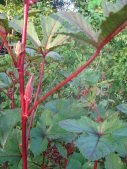
Eggplant and peppers are happiest in hot weather and are now producing well. Eggplant and peppers sautéed with Vidalia onions, fresh thyme and basil in olive oil makes a great topping for homemade pizza – yummy!

Yesterday I made some Hot Pepper Jelly. Hot Pepper Jelly is a favorite and we like it with cream cheese on crackers.

All the basil is thriving and I use it in everything. I’m still making pesto, but I am using pecans instead of pine nuts. I’ll not buy any more pine nuts because of the problems associated with them. I actually prefer using the pecans and will experiment with other nuts too.
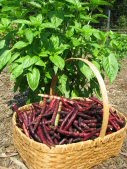
These are our wonderful Pinkeye Purple Hull Peas!

What’s better tasting on a hot summer afternoon than watermelon and cantaloupe? The Crimson Sweet and Ambrosia both have done well this year and we hope to enjoy them into the Fall.

Last week we picked a bushel or two of apples and are planning for more fruit trees to be planted this Fall. We have lots of blueberry bushes, thornless blackberry, and muscadine grape vines. We bought four Asian Persimmons and three PawPaws in pots last year and will be ordering Fig, Asian Pear, Apple, Jujube and perhaps Hardy Kiwi upon the recommendation of my friend Patti. We plan to plant these in October. We like growing disease resistant, tough fruit trees since we don’t have time to pamper them and don’t spray. We’ve never sprayed or fertilized our apple tree and it’s produced well for over 10 years.

Our muscadines are almost ready for harvest. Muscadines are tasty and good to eat right off the vine. On my way back and forth to the office/warehouse, I always stop by for a quick snack!

I like to make Muscadine Pineapple Sage Jam, apple juice and grape juice and hopefully will also have time to make wine this year.

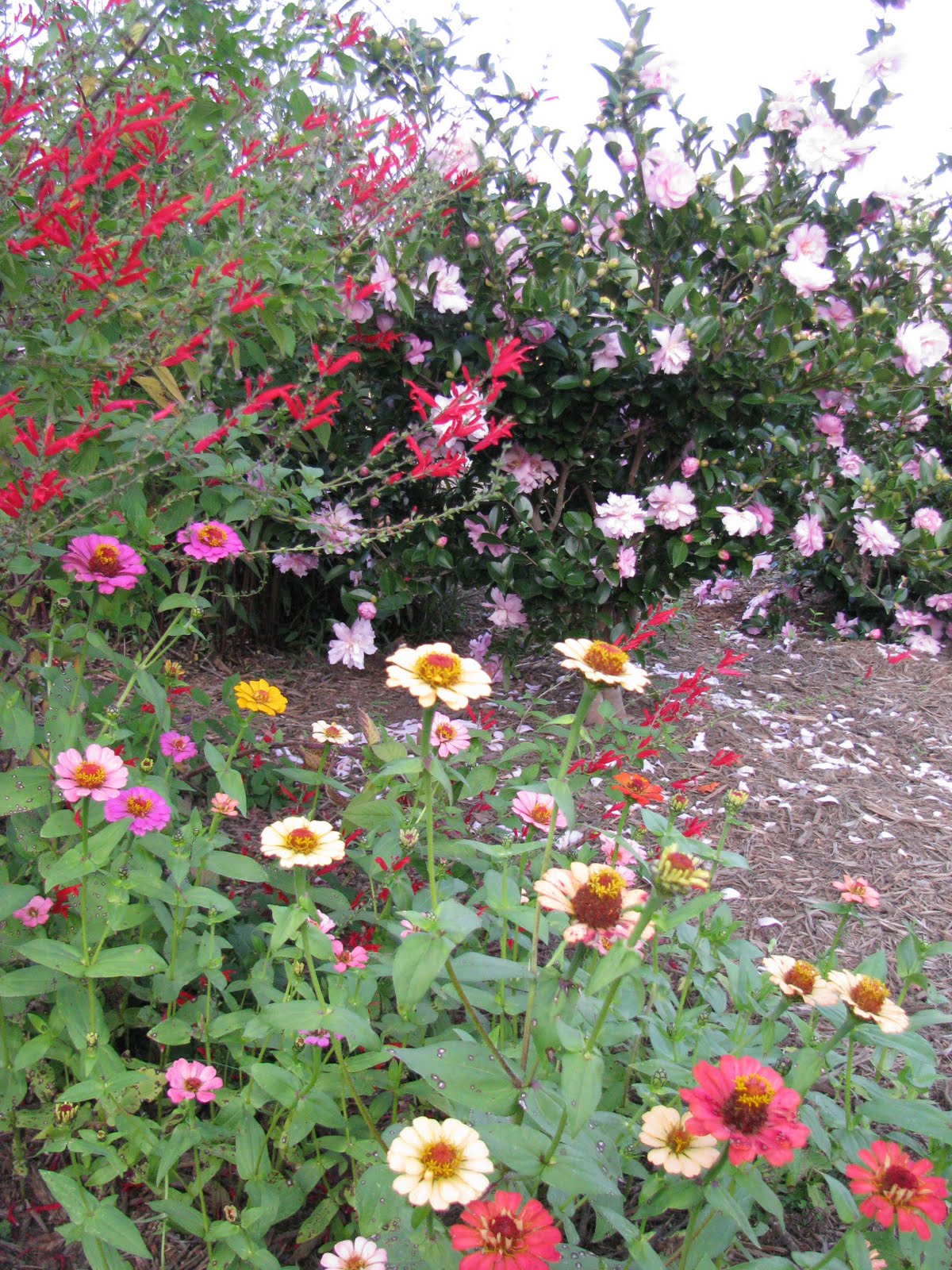
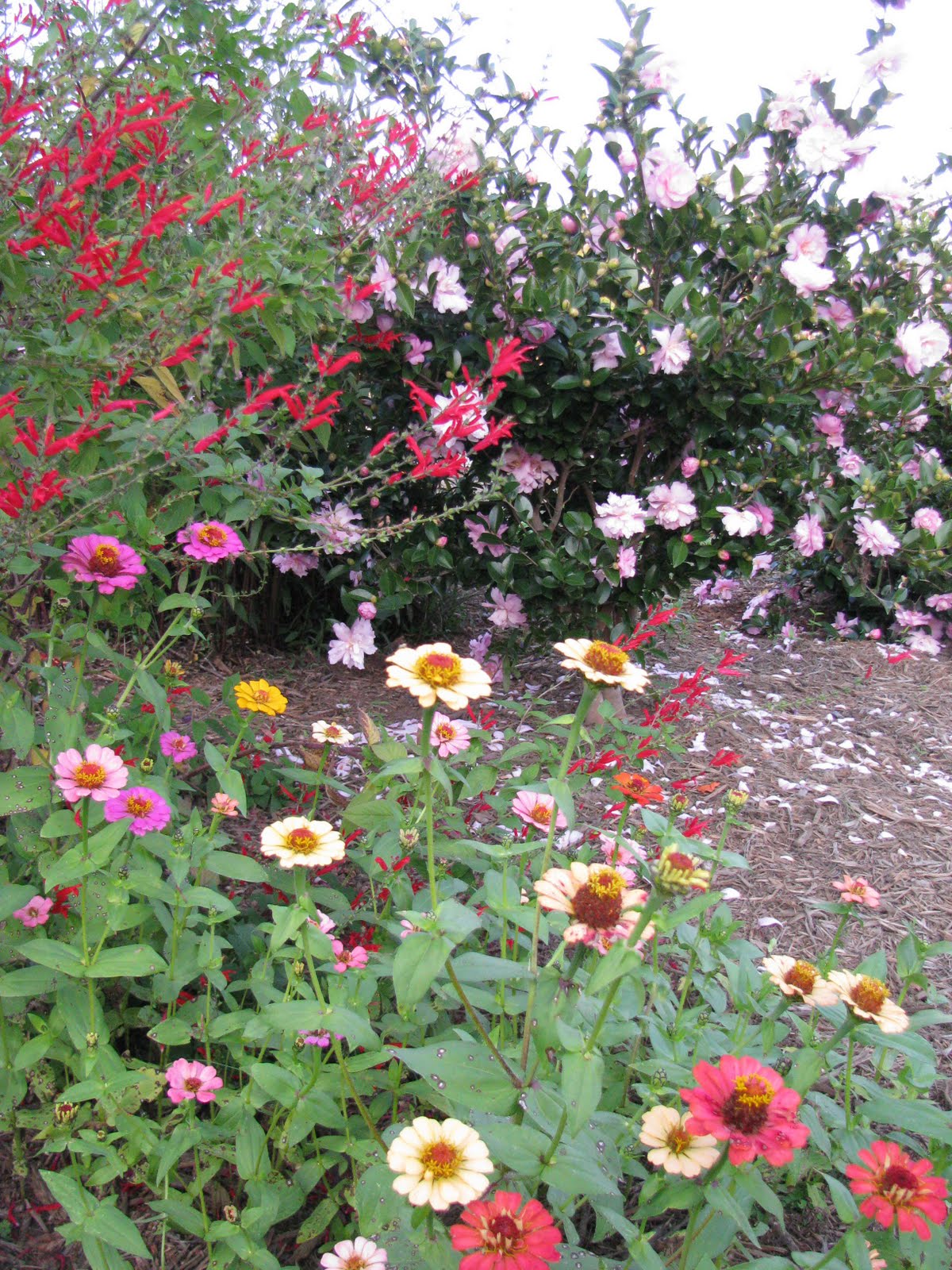
The days are still hot, but noticeably shorter. Every plant is rushing to flower and send forth seed. The zinnias have peaked and are beginning to decline, but the butterflies and bees and hummingbirds and I are still enjoying them.

This week we will be sowing our Fall garden. We’ll sow turnips and mustard greens, chard and collards. I’ve not had much luck with carrots and beets, but I’m going to try them again. In September, we’ll sow Crimson Clover as our winter cover crop in areas that aren’t planted with Fall crops. Since it’s too hot here to grow lettuce outside, I will grow some Mesclun mix inside under lights. I’ll be sure to keep you posted on how everything turns out!
****************************************
Next Blog: New Products! The Herbarie’s Natural Source Cosmetic Ingredients – Plantamulse Liquid, Phytocide Aspen Bark Extract, Curcuma Xanthorrhiza, Amazonian White Clay, Usnea Lichen, Chia Seed CO2 Extract, Gromwell Root CO2 Extract, Sage Antioxidant CO2 Extract and Avenalipid!
Posted in Musings From Stoney Hill Farm, New From The Herbarie, The Garden, The Kitchen | 1 Comment

One Sunday in July

Today is gorgeous! If only every South Carolina summer day could be in the 80’s instead of the 90’s! I cannot believe it’s already mid-July – where did the past six months go? It’s Sunday and I’m spending some time on the back porch of the old cottage on our property. Our rescue kitties – Gracie (mother), Dahlia, and Poppy (daughters) – have all been spayed and are now allowed outside during the day. They are so adorable and very cute as they play “chase the shadows and anything that moves”.


The wind chime on this porch is singing slightly out of tune because of the dirt or mud “dobbers” that have taken up residence, but it’s still pleasant sounding as it sings with the gentle breeze.

As many of you know, we were “on break” during the week of July 6-10. During my break, I had time to finish 6 months of filing that had piled up, a good bit of manufacturing, a good bit of warehouse reorganizing, some website editing, some office cleaning, a little reading, a little R&R, and other fun and good stuff. The “other fun and good stuff” included making some Blackberry Jam and Blueberry Jam! We are now getting quart after quart of blueberries and blackberries every day. I eat blueberries on my Muesli cereal in the morning. I snack on blueberries and blackberries during the day. Every afternoon I look forward to my refreshing Blueberry Smoothie! I am literally loaded with antioxidants and feel very healthy these days!!

I’ve mentioned this recipe before, but will talk about it again because it’s so good! I also wanted to remind folks that smoothies can be made with fresh or frozen berries! I make my Blueberry Smoothie with about a cup of either fresh or frozen blueberries, ½ to one whole banana, about ½ cup vanilla yogurt and ice. I put everything in a blender with some exquisite Dances With Bees honey! Dances With Bees is located in Georgia and is the best honey I’ve ever tasted! My husband (Earl), daughter (Kim), and I love this honey and eat it on our cereal and just about everything! So delicious!

Anyway, back to the Blueberry Jam. I wanted to report that the Blueberry Jam was a bit of an experiment. I made this batch from frozen blueberries and wondered if it would be as tasty as with fresh – it was! So now I will be freezing the berries to make jam (and those yummy smoothies) this winter when I have more time – or at least that’s the plan for now.

My basil is lush and healthy and ready for harvesting. Later today I will be making the first batch of Basil pesto this season. Pesto is so tasty on pasta or in soups or almost anything. I started several Basil varieties from Organic Certified seed this year – Sweet Genovese, Poppy Joe, Lettuce Leaf and Lemon. All but the lemon have done so well! The lemon basil thrived, but went to seed so quickly. No amount of pinching would delay it so I just let it flower and made the bees happy!

All spring, I’ve been pinching bits of the basil for cooking with vegetables or to use fresh on sandwiches or in salads. I made a delicious sandwich with one of the big Lettuce Leaf Basil’s leaves and avocado and cheese – very tasty! Basil is probably one of my most favorite kitchen herbs. It’s best used fresh and cooked gently. I’ll add it during the last five minutes of cooking. Unlike some herbs, Basil doesn’t dry well. To me, it’s almost tasteless when dried. I like to mince fresh basil and mix with olive oil into a paste and freeze. I usually put the “paste” into a small quart size freezer bag, flatten and freeze. This paste is similar to pesto without the cheese, garlic and pine nuts. Once frozen, the basil/olive oil can be broken off as needed for cooking and the fresh taste of basil can be enjoyed all winter! The pesto that I make today will go into ice cube trays to be frozen. Once frozen, the cubes will be put into a freezer bag for later use.

Later this week we will be distilling our Basil Hydrosol. Basil Hydrosol makes a lovely, aromatic addition to formulas for hair or skin care. It’s particularly useful for acne or problem skin. I’ll share some more information and new formulas soon!

We are currently preserving our hydrosols with Cosmocil CQ. We have conducted three years of testing with our hydrosols that are preserved with Cosmocil CQ and the efficacy is outstanding. Cosmocil CQ is a very gentle preservative and is safe to use around mucous membranes such as the eye area. While we are extremely pleased with Cosmocil CQ, we are looking for other preservative options that will work as well and that will allow us to certify our Hydrosols and Botanical Extracts with the USDA NOP program. Many people do not realize that it is very, very difficult to certify cosmetic products as organic with the USDA NOP – their requirements are very explicit and stringent. The product must contain USDA NOP certified ingredients.
If the product contains ingredients that are not USDA NOP certified, those ingredients MUST be included in the USDA NOP “allowed” listing. For details, please refer to the USDA NOP Standards which can be found on their website.

Fortunately, we have identified one new natural preservative that may make it possible for us to offer USDA NOP certified botanical extracts and hydrosols. Since we are in the experimental stages, I won’t report any details at this time. But hopefully by next year, we will have good news to report regarding the USDA NOP and these experiments. I’ll be sure to keep everyone posted!

We have also been doing quite a bit of experimenting with the new natural preservative from Active Microsystems – Leucidal Liquid. The manufacturer has challenge test data (as noted on our website), but as we all know, each and every formulation is different and must be tested to determine efficacy. I am thrilled to report that our preliminary microbial testing on one cream formula that includes Leucidal Liquid is excellent! The formula we used is identical to the Luscious Lavender Natramulsion formula that can be found in our website Formulary. I used 2% Leucidal Liquid in the formula with 1% Coviox T50 – I reworked the water percentage so the formula would balance. The manufacture date on this batch is 050809. The first APC/yeast/mold was conducted on June 19 after normal usage. The results were: yeast/mold less than 10 cfu/gram and bacteria less than 1 cfu/gram – excellent! I’ll be sending samples to the lab over the next 6 months to a year and will report on the results.

We are also testing Leucidal Liquid as part of a preservative system in our Botanical Extracts and Complexes. The results are not yet in, but I am very optimistic. I’ll be sure to let everyone know how the testing turns out.

I am very pleased with Leucidal Liquid and and feel very encouraged with the results so far!

Well, I’ve moved from the back porch of the cottage to the front porch of The Herbarie. The wind chimes here sing in key. It’s so peaceful and I love looking at my happy Zinnias, birds, butterflies and bees, but I just realized that time is flying and it’s already afternoon and I’ve not yet made Pesto! I hope everyone is having a wonderful summer – I’ll be back in touch soon!

Angie

Posted in Musings From Stoney Hill Farm, New From The Herbarie, The Garden, The Kitchen | 3 Comments

Summer Solstice

The magical Summer Solstice is here and dawn comes early. The woodland creatures will dance and sing all night! This morning and every morning and evening in spring and summer, the Rufous sided Towhee calls out “how are you, how are you?” or sometimes “who me, who me?”. The Rufous sided Towhee lives in our area all year and we see them at the seed feeders in winter. They are ground feeders and can be recognized by their distinctive backward scratching motion when looking for insects and seeds that have dropped to the ground. During winter we don’t hear their call often and I look forward to it every spring.

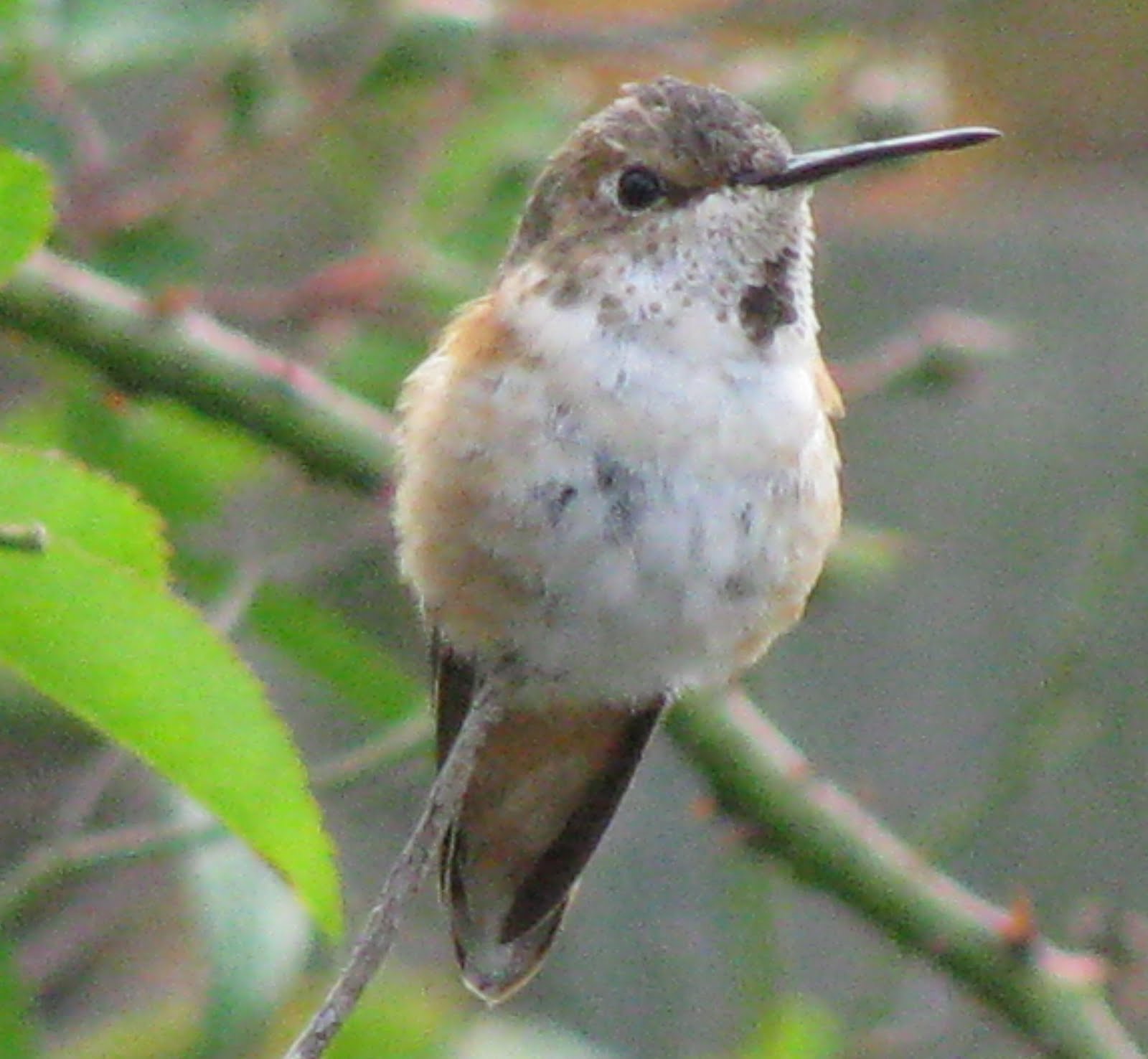
The hummers are back! I just love those little birds! We have several sugar water feeders around the property as well as hundreds of flowers to entice these magical creatures. I enjoy their chitter-twitter-chat when I am in the garden. Our hummers have always enjoyed perching on branches and the wire fence in our garden – waiting to zoom in every now and again to take a sip from the many flowers or feeders. My daughter, Kim, gave me the best hummingbird feeder in the world. It’s copper and glass and can be easily disassembled for cleaning. She bought it from Drs. Foster and Smith. Good hummingbird feeders are difficult to find and I ended up buying four more.

We recently noticed a new bird running across one of the paths and garden beds. The bird had a distinctive white and black ringed neck and long spindly legs that made it easy to identify as a Killdeer. This very interesting bird is in the gull or shorebird family and seems oddly out of place here in the Piedmont of SC – but in fact, is a permanent resident for this area. Our book tells us they eat grubs and insects so we want to encourage them to stay here. Since they build their nests in hollow depressions in the ground we will keep careful watch so they won’t be disturbed.

Walking to the office and warehouse I’ll stop by the blueberry bushes and grab a handful to take with me. Blueberries are full of antioxidants and so tasty! Blueberries freeze well and we can enjoy them all year. Blueberry smoothies are a favorite treat on a hot summer afternoon! I toss a handful or two of blueberries into the blender with some vanilla yogurt, half a banana, some honey or sugar, a few ice cubes, and blend. Soooo delicious and refreshing!

My Zinnias are blooming! Hundreds of Zinnias in bright and beautiful colors are a treat for butterflies, bees and me. These are 11th generation Zinnias that began as a few tiny Cut and Come Again Zinnia seeds that reseed every year in our many garden beds. Each year they send out their seeds to come up the following spring. Zinnias are such happy flowers and I love to share them with family and friends.

I fell in love with Queen Anne’s Lace when I was a young girl and determined that I would have it in my own garden some day. Queen Anne’s Lace (Daucus carota) grows wild in meadows and along roadsides and is considered a weed by most people. This graceful and delicate flower is in the same family as parsley and carrots and can claim medicinal usage as well as beauty.

On my way to the office and warehouse I cut a bouquet of Zinnias and Queen Anne’s Lace to keep us company as we work inside all day.

The Herbarie

June has been very busy at The Herbarie! We’ve been working almost non-stop to make sure shelves are stocked and orders are shipped. We’ve also been busy distilling and manufacturing our botanical products. We are offering a new botanical extract – Honeysuckle Extract WS – which contains beneficial water soluble and volatile components of Lonicera japonica.

Honeysuckle Extract WS contains soothing and anti-inflammatory constituents and can be used in skin care products such as toners, body mist, creams and lotions.

*I’ll share some simple recipes for soothing and hydrating facial or body mist:

Chamomile Rose with Honeysuckle Extract WS

¼ cup Honeysuckle Extract WS
1 cup Chamomile Hydrosol
1 cup Rose Hydrosol

Combine ingredients and package in clean container with spray mister

Honeysuckle Rose and Lavender Facial Mist

1/4 cup Honeysuckle Extract WS
1 cup Rose Hydrosol
1 cup Lavender Hydrosol

Combine ingredients and package in clean container with spray mister.

Here’s another fun to make recipe:

Honeysuckle, Rose and Lavender Scented Body Mist:

¼ cup Honeysuckle Extract WS
1 cup Rose Hydrosol
1 cup Lavender Hydrosol
¼ teaspoon AquaEm
¼ teaspoon Lavender Essential Oil

– Combine AquaEm and Lavender Essential Oil in a clean container that will hold at least 3 cups and gently mix. Our tri-pour beakers work very well for this purpose.
-Add the remainder of the ingredients with mixing and package in a container with spray mister.

*Our hydrosols are preserved with Cosmocil CQ and Honeysuckle Extract WS is preserved with potassium sorbate and citric acid. If these recipes are followed precisely, no additional preservative is necessary.

*********************************************************************

New! SMO Taurate

We have recently brought in a fabulous new surfactant for shampoo and body wash – SMO Taurate! I am very discriminating when it comes to choosing surfactants. They must be gentle, perform exceptionally well, be vegetable derived, AND be environmentally friendly. SMO Taurate fits this description and then some. SMO Taurate is in the same family as SMC Taurate. SMC Taurate is derived from coconut oil and SMO Taurate is derived from olive oil. SMO Taurate is supplied as a liquid and has superb functionality in a cold mix formula or formulas that are heat processed. In most formulas, SMO Taurate will build enough viscosity so that no thickener is necessary – this makes formulating much easier! SMO Taurate can be used as the primary and only surfactant or it can be used with other surfactants.

I particularly enjoy combining SMO Taurate with Jordapon ACI 30 G for a very mild and substantive shampoo for color treated or dry hair. This seems to be a perfect marriage in terms of mildness and performance and after rinse out will leave hair silky and soft and manageable. The ingredient possibilities are endless, but many of our customers ask for “as simple as possible” so I wanted to share a very simple, yet very elegant formula. I’ve calculated a 200 gram batch with estimated fluid/volume measurements for those who may not have a scale:

Silky Soft Shampoo with SMO Taurate and Jordapon ACI 30G

20% SMO Taurate = 40 grams = approx. 3 tablespoons
20% Jordapon ACI 30 G = 40 grams = approx. 3 tablespoons + 1 teaspoon
58.5% Distilled Water = 117 grams = approx. ½ cup + 1 tablespoon
0.8% Optiphen ND = 1.6 grams = ¼ teaspoon
0.25% Peppermint Essential Oil = 0.5 gram = approx. 1/8 teaspoon
0.25% Rosemary Essential Oil = 0.5 gram = approx. 1/8 teaspoon
0.2% Citric Acid = 0.4 grams = approx. 1/16 teaspoon

-Using a container that will hold at least 8 ounces, weigh (or measure) water. Weigh (or measure) Jordapon ACI 30 G, adding to container with water. Gently blend. I typically use our wire whisk for blending.
-In a separate container, combine SMO Taurate, Optiphen ND, Peppermint and Rosemary EO with gentle mixing. I like to use our 100ml porcelain dish and our nylon spatula for mixing.
-Add the above mixture to the Jordapon ACI 30G/water with gentle blending.
-Add the citric acid to the shampoo with gentle blending until shampoo thickens. –Package in a container with a pump or dispensing cap.

This shampoo formula will have a finished pH of 5.3-5.5 and is suitable for shower gel as well as shampoo.

Some other ideas include:
-even more conditioning shampoo, add 0.2%-0.5% GuarSilk
-thicker shampoo, add 1%-3% Glucamate LT
-more billowy and longer lasting bubbles, incorporate Cocoamidopropyl Betaine into the formula.
-include Botanical Complex HC or HCA
-include Solu-Silk SF or Hydrolyzed Wheat or Oat or Soy Protein
-other essential oils that seem to work well in surfactant systems are geranium, lavender, myrtle, lemongrass.

****************************************************************************

Happy Summer!
Angie
Posted in Musings From Stoney Hill Farm, New From The Herbarie, The Formulary, The Garden, The Kitchen | 1 Comment

Roses, Melissa, Sally and Me


Posted in Musings From Stoney Hill Farm, The Garden | Leave a comment

The Roses Are Blooming!

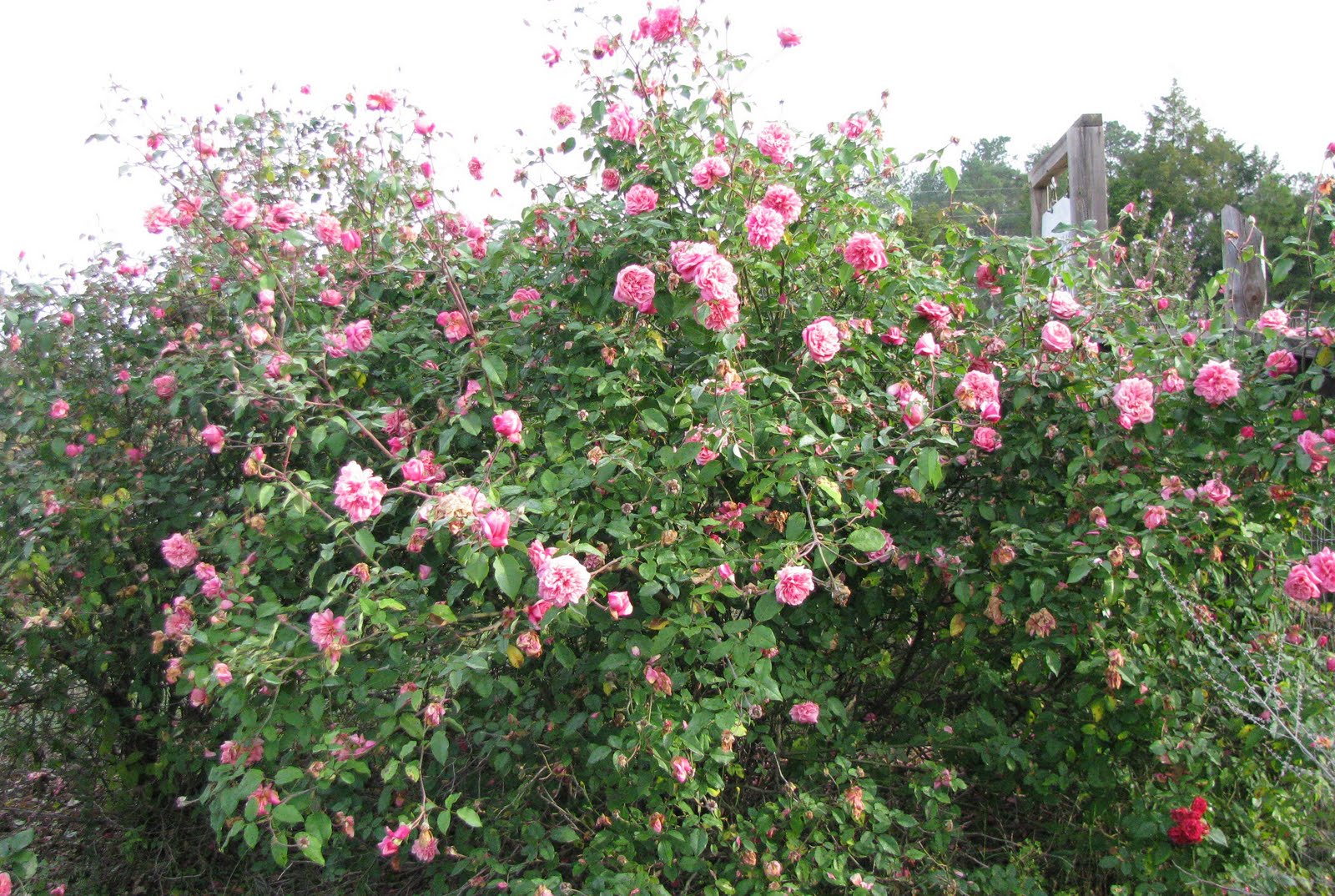
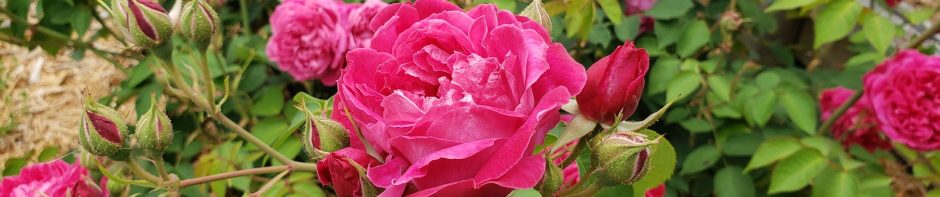
The Roses are blooming! I’ve enjoyed this misty morning outside in the garden harvesting the many blossoms. The damasks, bourbons, English Roses and other antique roses are the first to bloom. Constance Spry and Sarah Van Fleet have been blooming their hearts out for a week or more. Belinda, our huge hybrid musk in the picture on the left is almost in full bloom. The true teas are just starting to bloom and will continue through the summer until Fall.
Every Spring my roses amaze me with their beauty and generosity.

I am distilling our second batch of rose blossoms today and the fragrance is heavenly! We will be busy distilling hundreds of pounds of roses over the next few months. Now, as I sit here at my computer, I can look out my office window to the gardens where the roses live while I enjoy the lovely rose fragrance and Gary Stadler’s lovely music! Gary Stadler is the wonderful man who designed and created my distillation equipment and made it possible to obtain our exquisite hydrosols. I always listen to Gary’s music when distilling our hydrosols.

This morning I overslept and didn’t wake up until 6:00am. But so far this morning, I’ve answered emails, harvested and distilled roses – stopped a few minutes to smell them – fed the animals, pulled a few weeds, worked with the seedlings – 4 varieties of basil, two varieties of cucumbers, two varieties of okra – checked on the garden veggies – answered a couple of business calls and it’s now 9:00am. By 10:00 am I need to finish with the gardening so Sally and I can take a walk and I can shower and be in the warehouse by 11:00am to finish processing orders I promised would go out today.

I’ll write more later, but for now will share some pictures of my beloved roses, lemon balm, Sally and me!

Posted in Musings From Stoney Hill Farm, The Garden | 2 Comments

Happy Spring!

My typical day begins around 4:30 or 5:00 each morning – writing, returning emails, catching up on the news and weather reports, contemplating the day ahead. Around 6:00 or 6:30, while most of the year it’s still dark outside, Sally and I walk to The Herbarie office across the field. This past month – March 10 – I heard the first whippoorwill call as we stepped outside in the early morning!

Both February and March brought challenging and exciting changes for The Herbarie and I found myself working very long days, every day of the week.

We received our USDA NOP Organic Certification as Handler/Processor! We are still working on our Farm certification which will allow us to claim our farm grown products as Organic Certified. At The Herbarie, we’ve created a new product category to include our USDA NOP Organic Certified products and we plan to add more products to this list.

After 10 years of successful business, The Herbarie website traffic and sales demanded that we move to a dedicated server. Now that we’ve made the change, the website is quite snappy and pages load very quickly!

During March, which was busier than usual, we were also short staffed and I spent much of my time in the warehouse. The timing could have been better, but the outcome was positive. This allowed me the opportunity to review our operating procedures and make improvements.

Also, on March 10, when the moon was full, Gracie had her kittens. Gracie is a rescue cat that found us several months ago. She found a warm soft spot in the barn for nesting. This week we moved the family to a secure and safe spot inside until everyone is ready for a trip to the vet for neutering.

The plants we started from seeds in February are all ready for planting in the garden. We began to harden off the plants a week or so ago to avoid shock when they make the move to the outside. The broccoli and yellow squash were planted April 12. The tomatoes are scheduled for planting April 18. The peppers and eggplant will have to wait a couple more weeks, along with the Basil and Cucumbers and Melons.

In anticipation of the return of the hummingbirds, the sugar water feeder in the Secret Garden has been up since the first of April. We saw the first hummers last week! Right now, there are a few blooms in the gardens to entice the hummers and butterflies – Carolina Jessamine, Tulips, Pansies, Collards, Cabbage and my elegant Constance Spry Rose – but soon everything will be blooming and hummers and butterflies will be everywhere!

Spring is an exciting time of year! Hope and new growth, so many shades of green, the first butterfly, the first hummer, the birds nesting, the flowers blooming!

The Lemon Balm (Melissa) is green and lush and almost ready for the first distillation of the season. Lemon Balm has a fresh green-lemony scent and I enjoy the aromatherapy while working in the garden. This wonderful plant is useful in so many ways. I’ve been making Lemon Balm tea for years and consider it a spring tonic. One tea that I make is called Garden Fairy Tea and I’ll share the recipe here:

Garden Fairy Tea

This magical and refreshing tea is made with our own farm-grown herbs and flowers and is enchanting for young and old alike. Children enjoy watching the magic color change and everyone finds it refreshing. We offer this nourishing and refreshing tea to our friends and family as a summertime treat.

1 cup Fresh Lemon Balm Leaves
1 teaspoon fresh or ½ teaspoon dry Rosemary Leaves
1 teaspoon fresh or ½ teaspoon dry Spearmint or Peppermint Leaves
1 tablespoon fresh or 1 teaspoon dry Garden Sage or White Sage
2 fresh Red or Dark Pink Rose whole Flowers OR two tablespoons dry rose petals
Juice from 1 fresh lemon
Sugar or honey to taste

All herbs and flowers must be fresh and harvested from an area that is free from pesticides. Rinse fresh herbs and flowers as needed in cool water. Combine all herbs and flowers together in a stainless steel or other non-reactive, heat resistant pot or container and fill with enough water to cover plant material. Cover and bring just to boiling point. Remove from heat and steep for 20-30 minutes. Strain tea from solids into a warmed, glass container – a Mason jar works beautifully. Add sugar or honey to taste, stirring until dissolved. At this point, make certain your audience is present! Add lemon juice to tea and the magic begins – the brownish color is transformed into a lovely pink! Serve in tall, ice-filled glasses with a sprig of fresh mint or lemon balm.

Herbarie Hydrosols!

Our Hydrosols are distilled from our own botanicals here at Stoney Hill Farm. These Hydrosols are for external use only and are preserved for the safety of our customers. Lemon Balm (Melissa) Hydrosol has a lovely green-lemony scent and can be used directly on skin as a gentle astringent and toner or it can be used as part of the water phase for creams and lotions. Our Rose Hydrosol is distilled from our own antique Roses and has a light rosy fragrance. Here’s a simple toner formula that utilizes both our Lemon Balm (Melissa) Hydrosol and our Rose Hydrosol:

Spring Morning Facial Toner

This basic hydrating toner is designed to soothe, nourish and refresh skin. SymGlucan is an outstanding humectant and skin softener and has demonstrated superior moisture retention. Rose Hydrosol and Melissa Hydrosol offer gentle astringency and toning. This formula can be used as a daily finishing toner for oily or acne prone skin or as an intermediate hydrating toner to be followed by a cream or lotion.

The simple formula below is calculated to make a 200 gram (7 ounce) batch. We’ve also provided the approximate measurements for those who do not have a scale.

Ingredient Percentage/Weight/Measurements

Rose Hydrosol 50% = 100 grams =1/2 cup
Melissa Hydrosol 44.5% = 89 grams = 1/2 cup
SymGlucan 5.0% = 10 grams = 2 teaspoons
Cosmocil CQ 0.5% = 1 gram = 3/8 teaspoon

Total: 100% = 200 grams = approx. 7 oz.

Combine ingredients and package in container with a dispensing top.

Soon all the Roses will be blooming – Happy Spring!!

Angie

Posted in Musings From Stoney Hill Farm, New From The Herbarie, The Formulary, The Garden, The Kitchen | 1 Comment