All About Olives, Bluebirds, and Cool Cucumbers!

During Summer I’m usually outside as soon as the sun is up. Early morning is an exciting time to be awake and out and about the farm. As I make my way to the garden, I hear the black capped chickadees call “fee bee – fee bee” and the Rufous-Sided Towhees call “drink your tea, drink your tea”. I notice how the rabbits sit perfectly still as they hope to blend into their surroundings. As I walk into the garden the ruby throated hummers zoom in to the feeders with a chit-chit, chit-chit which I suppose means good morning!!

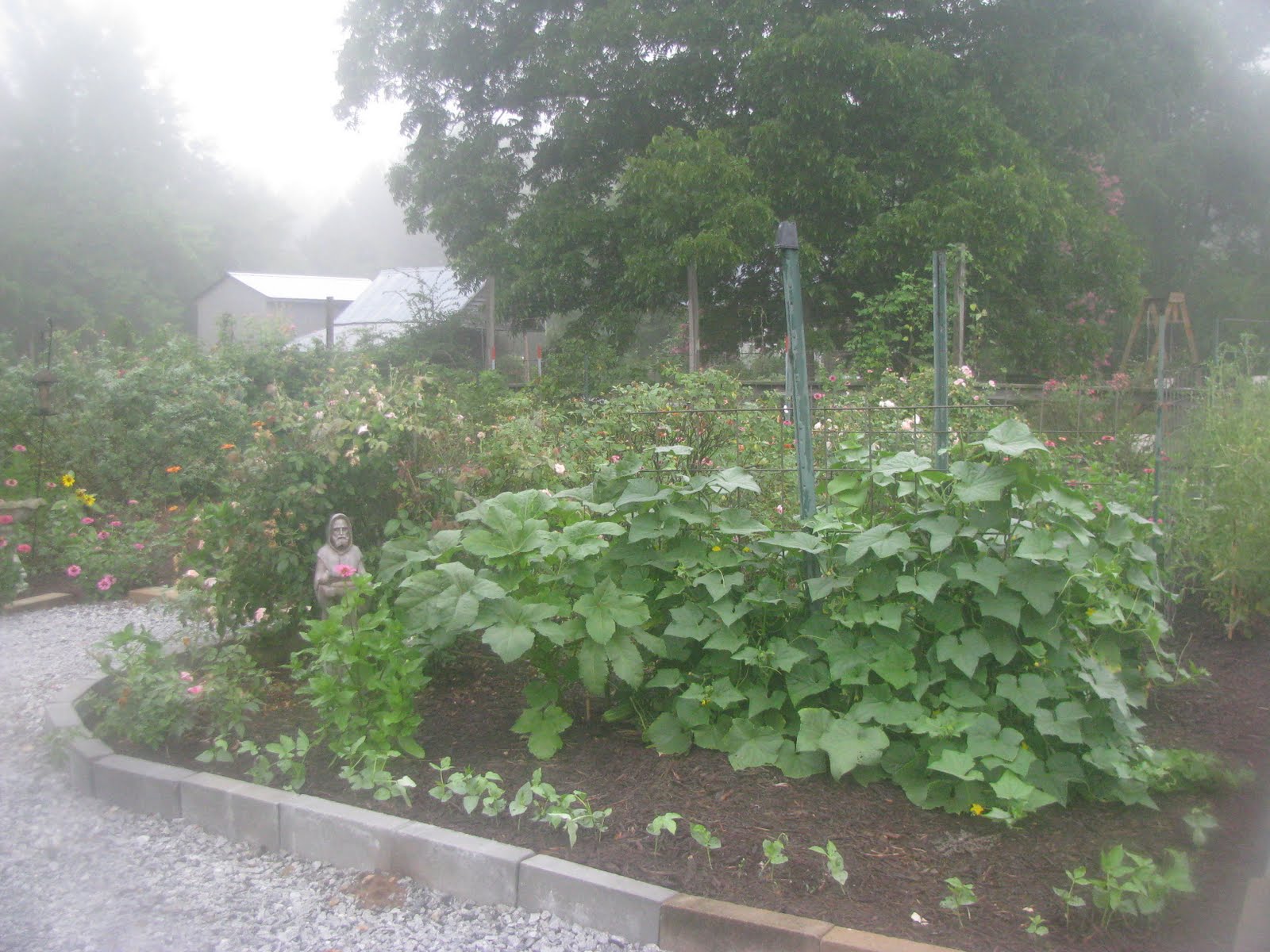
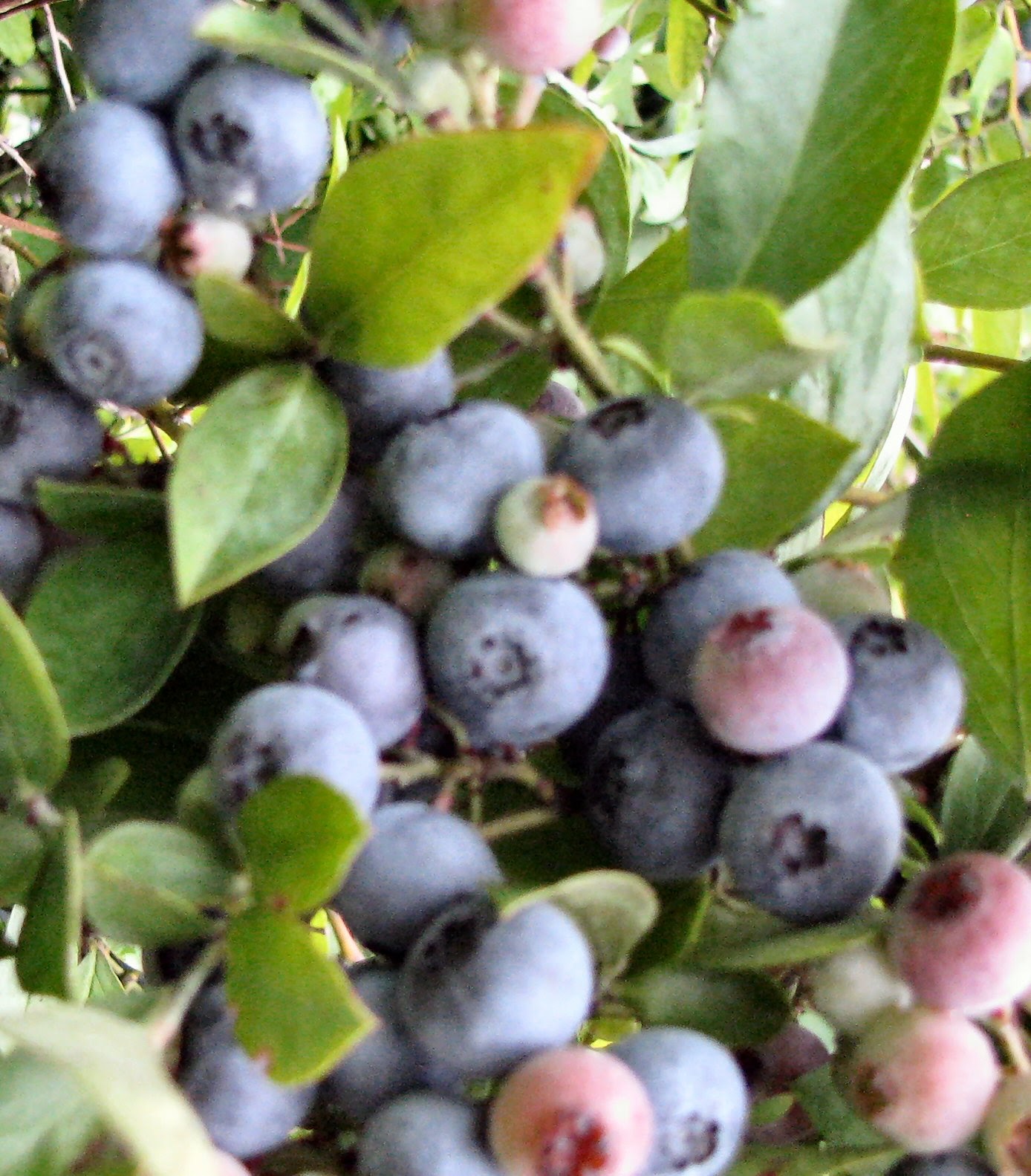
As I work in the garden, I enjoy my breakfast of blackberries and blueberries and cucumbers! For several weeks we have been picking gallon after gallon of blueberries. We eat them fresh, give many away and then freeze the remainder. Blueberries freeze well and can be used throughout the year to make delicious smoothies, jams or jellies, muffins, etc.

During the hot afternoon, we cool off with blueberry smoothies


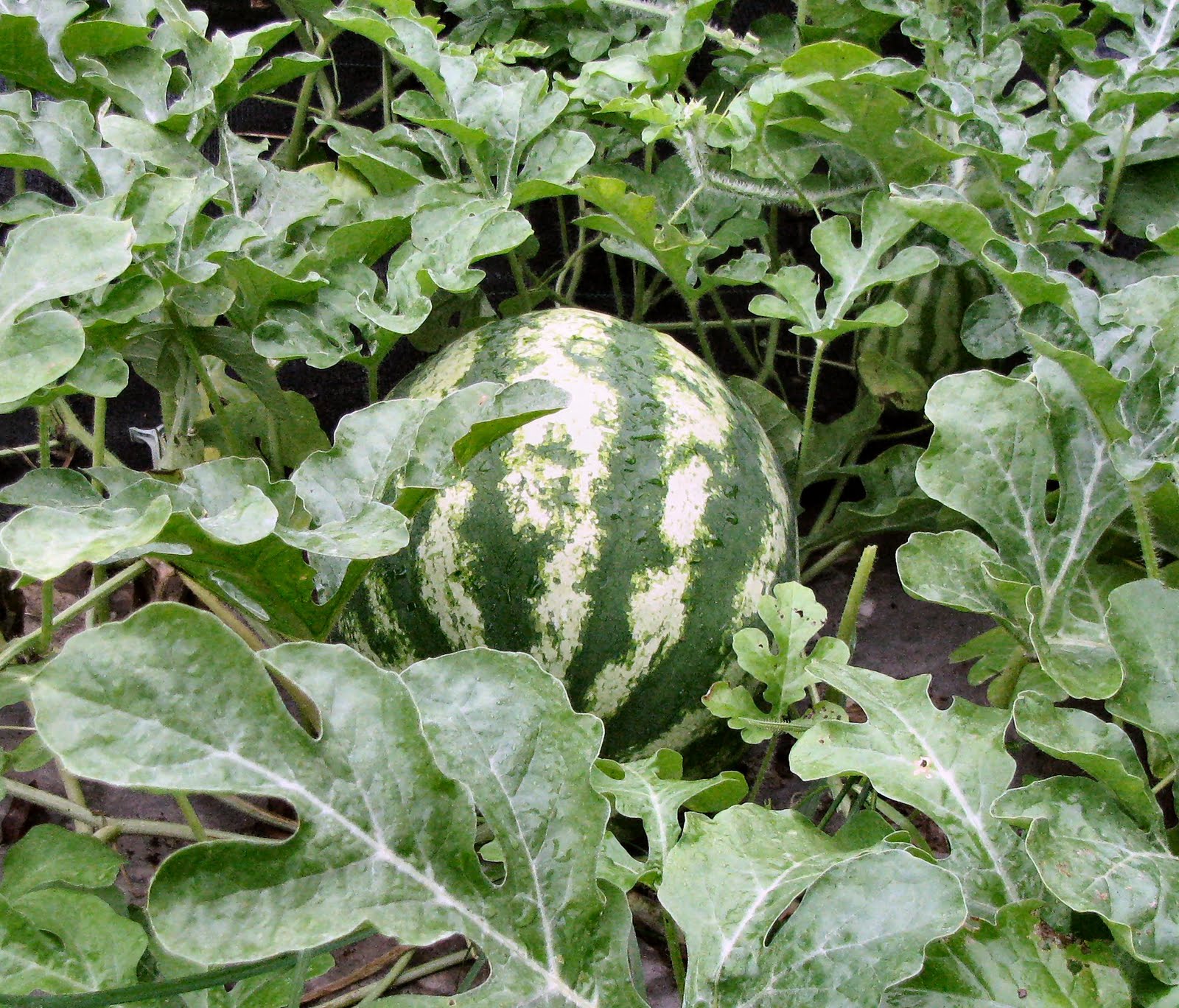
or afternoon slices of watermelon!

Our organically grown Cucumbers have produced beautifully this year! Last evening I made a Cucumber and Tomato Salad with Thai Basil. The recipe is easy – just one crisp, cold cucumber sliced very thin, one or two Roma tomatoes diced, toss in a handful of fresh Thai Basil leaves, a dash of Organic Extra Virgin Olive Oil, a dash of Balsamic Vinegar, some sea salt and ground pepper – toss all together – top off with Feta cheese. Nutritious and Delicious and Cool!

Botanicals From The Herbarie! – Cucumber Extract WS

We use these same organically grown cucumbers to process our wonderful Cucumber Extract WS! Our Cucumber Extract WS is NOT EDIBLE, but is truly fabulous for skin care and the perfect gentle astringent for summer.

Last week I came up with a simple, but very nice and emollient facial cleanser and eye makeup remover using our Cucumber Extract WS and Olive Oil PEG 7 Esters.

Olive Oil PEG 7 Esters

Multifunctional Olive Oil PEG 7 Esters (Olivem 300) continues to be one of our best selling products! Olive Oil PEG 7 Esters offers the rich emolliency of Olive Oil in a uniquely water soluble and oil dispersible product!

Olive Oil PEG 7 Esters is a lovely, multifunctional ingredient for dispersible bath oil blends, oil based facial cleansers, water based facial cleansers. It can also be used as a co-emulsifier in creams and lotions, and as a re-fatting agent in shampoo or body wash that will not compromise foam.

Cool Cucumber Olive Facial Cleanser and Eye Makeup Remover

15% Olive Oil PEG 7 Esters
74% Cucumber Extract
1% Cosmocil CQ

This simple formula is the best eye makeup remover I’ve ever used and just a few drops on a cotton pad will do it. All ingredients are safe for leave-on products so it doesn’t have to be rinsed off. I typically use this formula as an overall facial cleanser and eye makeup remover in the shower with rinse-off. It leaves my skin soft and smooth and feeling great! This formula is not thick, but I find it to be the perfect viscosity for my own use. I’ve packaged mine in a bottle with a dispensing cap.

But there are all sorts of possibilities with this formula:

  • To thicken this formula, it would be possible to use HEC or HPMC or XanThix or UltraMaize. I haven’t experimented with the percentages, but would try 0.5%-1.0% HEC or HPMC or UltraMaize. Maybe 0.1% XanThix. A thickened formula could be packaged in a tube or pump container.

  • Nice additives could include our Rose Phytolate, Olive Leaf Extract, Antioxidant Complex T5, Edelweiss Extract, Helichrysum Extract, Hibiscus Extract, Licorice Root Extract, Honeysuckle Extract WS, Tamarind Seed Extract, or Symglucan.

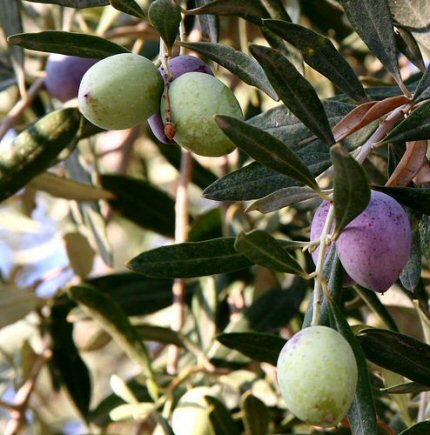
More From the Sacred and Noble Olive TreeThe ancient olive tree is rich in folklore and offers many wellness, skin and hair care benefits. I learned the benefits of olive oil at an early age from my southern Italian mother. She used Olive Oil for everything – cooking, skin care and hair care. I now do the same thing.

We’ve recently added two new Olive products to our inventory! In addition to our Organic Certified Extra Virgin Olive Oil, Olive Oil PEG 7 Esters, Olivem 1000 and Olive Leaf Extract, we are excited to offer Oliwax and Oliwax LC!


Oliwax is a completely natural, multifunctional lipid obtained 100% from Olive Oil. Oliwax is rich in squalene and unsaponifiable olive oil fractions and recommended for both skin care and hair care. Oliwax is conditioning and will build structure and increase viscosity in creams and lotions as well as anhydrous products such as body butters, lip balms, and salves. The unique “crystal network” is similar to human skin lipids and promotes excellent delivery to skin. Unlike many other waxy lipids, Oliwax offers conditioning with a light, silky-smooth feel.

Clinical tests have demonstrated that Oliwax is hypoallergenic and an excellent choice for sensitive skin. Oliwax has not been tested on animals, is completely biodegradable and compatible with most cosmetic ingredients.

Oliwax is stable to oxidation, is odorless and colorless and offered in easy to use flake form. The melt point is approximately 55° C which allows substitution for waxy products such as beeswax and other waxes.

I’ve made a super emollient, conditioning lotion using Olivem 1000 as the complete emulsifier with Oliwax as the stabilizing, conditioning, and “bodifying” agent. Botanical Olive Natural Lotion is very moisturizing and conditioning, but doesn’t feel greasy, waxy or oily. I’ll outline the various ingredients and their functionality:

Cupuaçu Butter is one of my favorite butters for skin care and hair care. It contains phytosterols and unsaponifiables that help to regulate the balance and activity of lipids in the epidermis and it does not have a greasy feel when used in emulsions. It has a high capacity for water absorption which gives it superior moisturizing properties. Cupuaçu Butter offers a lovely emolliency that will restore elasticity and softness to skin.

Our Organic Certified Golden Jojoba Oil is actually a liquid wax ester with characteristics similar to skin. Jojoba Oil is stable to oxidation, is absorbed quickly and has a feel that I love – I use it in almost all my products.
Olive Squalane is an emollient lipid with excellent stability and provides a nice slip to this formula.

XanThix is a water phase stabilizer and viscosity builder. At low percentages (0.1%-0.3%) XanThix will enhance the feel and slip in application. When XanThix is used at higher percentages, the esthetics of the formulation will diminish. XanThix is water soluble. Like most other gums, XanThix works by swelling in water. Even though XanThix is water soluble, it’s more easily added to the oil phase of emulsions. Other gums, such as HPMC or HEC can also easily be added to the oil phase of emulsions. First heat the oil phase to the desired temperature – usually around 175F – then add the pre-weighed XanThix to the hot oils/lipids with gentle stirring to be sure the particles have separated. Then proceed with the formulation as usual. Swelling will occur during cool-down and viscosity of the formulation will increase as a result.

SymGlucan® is an exciting multifunctional, antiaging ingredient manufactured by Symrise. SymGlucan® is made by a patented technology which refines Oat Beta-Glucan to produce a highly active soluble fraction. SymGlucan® has been clinically shown to penetrate the skin and help reduce the visible signs of aging. SymGlucan’s unique delivery system stimulates fibroblast growth and collagen synthesis which reduces the appearance of wrinkles. Studies have also demonstrated SymGlucan® to be an excellent moisturizer that provides even better long-term moisturization than Hyaluronic Acid. SymGlucan helps to restore skin’s youthful elasticity and softness. I use SymGlucan at 5% in most of my emulsions and can definitely tell the difference when using it.


Chia Seed CO2 Extract is unique as it contains the highest concentration vegetarian source omega-3 linolenic acid. These high concentrations of alpha linolenic acid help both skin and hair to maintain moisture. In addition to moisturization, Chia Seed CO2 Extract promotes skin elasticity and can help to reduce the appearance of wrinkles. Nutrient-rich Chia Seed CO2 Extract offers skin smoothing characteristics leading to soft, silky and healthy skin. Chia Seed CO2 Extract can also be used for effective moisturization in hair and scalp formulations. I add this oil at cool-down temperatures.

For the Botanical Olive Natural Lotion, I’ve chosen a blend of extracts and essential oils to provide a wonderful scent as well as antimicrobial activity. Lavender Flower CO2 Extract, Rose Geranium Essential Oil, Bergamot FCF Essential Oil, and just a touch of Ylang Ylang Essential Oil provide a fresh, green-floral scent that I just adore!

Nowadays, most customers are looking for less aggressive preservatives and “natural preservatives”. Unfortunately there is no one perfect natural preservative that we can simply put into our finished formulations as an afterthought. Creating an effective preservative system takes time and testing for each and every formulation. What works for one formulation, may not work for another. It’s always best to create a formula from start to finish with the preservative system in mind.

I’ve combined these antimicrobial oils to work in synergy with Rosemary Antioxidant CO2 Extract and Leucidal Liquid to offer a broad-spectrum preservative system in this formula.

The Herbarie offers many natural antimicrobials such as Leucidal Liquid, Aspen Bark Extract, Usnea Lichen CO2, Cucurma Xanthorrhiza, Geogard Ultra, Rosemary Antioxidant CO2 Extract and others. It will be up to the creative cosmetic formulator to mix and match and combine these ingredients for broad spectrum antimicrobial activity. Using hurdle technology, smart packaging and good manufacturing practices will definitely help. However, the only way to know for sure whether or not a preservative system is effective is with microbial testing. We work collaboratively with an independent lab and have developed a protocol for inexpensive “Normal Usage Testing”. If anyone is interested, please send me an email and I’ll be happy to share the information.

We are in the process of testing our Botanical Olive Natural Lotion, but our results are not yet complete. We are in our second round of microbial testing and the results are very promising – less than 30 cfu/gram for bacteria and less than 10 cfu/gram for mold/fungus/yeast. We will continue microbial testing on this formula for up to one year.

Here’s my formula with a 500 gram batch calculated. I hope you enjoy Botanical Olive Natural Lotion as much as I do!

Botanical Olive Natural Lotion

Part A or Oil Phase
5.0% = 25 grams Olivem 1000
2.0% = 10 grams Oliwax
8.0% = 40 grams Cupuacu Butter
5.0% = 25 grams Organic Golden Jojoba Oil
3.0% = 15 grams Olive Squalane
0.4% = 2 grams XanThix

Part B or Water Phase
65.95% = 329.75 Distilled Water
5.0% = 25 grams Symglucan

Part C or Cooldown Phase
2.0% = 10 grams Chia Seed CO2
0.05% = 0.25 grams Rosemary CO2 Extract
0.5% = 2.5 grams Lavender CO2 Extract
0.5% = 2.5 grams Bergamot FCF EO
0.5% = 2.5 grams Rose Geranium EO
0.1% = 0.5 grams Ylang Ylang EO
2.0% = 10 grams Leucidal Liquid

Total: 100% = 500 grams

Part A: Weigh XanThix and set aside. Combine remainder of ingredients and heat to 175F. Add XanThix to heated mixture and stir gently.
Part B: Combine ingredients and heat to 175F. Add Part B to A with high shear mixing. Cool to 50C/122F (or less)
Part C: Add ingredients, mix well until completely cool.


Oliwax LC is a Liquid Crystal Promoter derived from Olive Oil fatty acids. Oliwax LC is designed to stabilize oil in water emulsions while enhancing the texture and feel in application. The unique “crystal network” is similar to human skin lipids and promotes excellent delivery to skin. Unlike many other waxy lipids, Oliwax LC offers stabilization with a light, silky-smooth feel.

Suggested Applications:
● Daily Moisturizers
● Night Creams
● Eye Creams
● Products for Sensitive Skin
● After-sun Creams and Lotions
● Sun-care products
● Makeup Foundation


I’m currently using a really nice moisturizer made with everything Olive! Olive Tree Skin Renew Lotion is moisturizing and conditioning, yet leaves my face feeling soft and smooth – no greasiness and no whitening effect in application. This antiaging formula is based on the complete emulsifier Olivem 1000 with Oliwax LC to enhance stability and improve texture. The Liquid Crystal structure of Oliwax LC allows for greater emulsion stability and moisturization capabilities.

Here’s some information about the other wonderful ingredients:

Olive Squalane provides superb emolliency and slip and Organic Certified Extra Virgin Olive Oil provides good nutrition for skin.

Olive Leaf Extract (Eurol BT) is a multifunctional active ingredient from a natural blend of diphenolic structures such as Oleuropein. Olive Leaf Extract serves as a free-radical scavenger and antioxidant, but also offers hydrating and anti-inflammatory characteristics.

Matrix Peptide is an active antiaging ingredient suitable for creams, lotions, serums and toners. Matrix Peptide can reduce the appearance of wrinkles by promoting the synthesis of collagen.

The active constituents of Tamarind Seed Extract are of great benefit in skin care. Studies have shown that Tamarind Seed Extract significantly improves skin elasticity, hydration and smoothness.

Coviox T-50 or mixed tocopherols, serve as the antioxidant in this formula to help delay oxidation of oils and provide a longer shelf-life for this formula. Germall Plus Liquid is a robust preservative for this formula.

And here’s the formula:


Olive Tree Skin Renew Lotion

Part One or Oil Phase
5.0% Olivem 1000
3.0% Oliwax LC
5.0% Olive Squalane
5.0% Organic Extra Virgin Olive Oil
0.5% Coviox T 50

0.1% XanThix

Part Two or Water Phase
75.85% Distilled Water

Part Three or Cooldown Phase
0.25% Olive Leaf Extract
4.0%Tamarind Seed Extract
1.0% Matrix Peptide
0.3% Germall Plus Liquid

Part One: Weigh XanThix and set aside. Combine all other ingredients and heat to 175F. Add XanThix to hot oils while stirring gently to separate particles.

Part Two: Heat Distilled Water to 175F, add to Part One with mixing. Using a stickblender for small batches works fine. As emulsion begins to cool, switch to a handheld stir tool such as our stainless steel wire whip.

Part Three: When temperature of emulsion cools to 115F or less, combine ingredients and add to combined Part One/Two. Mix well until emulsion is completely cool.

Tip: For small batches weighing 500 grams or less, I often use a gallon or quart size plastic freezer bag for dispensing emulsions into bottles. When batch is complete, scoop into the freezer bag and seal. Cut off the tip of the bag and dispense into bottles – easy peasy!

Happy Formulating!

**************************************************************

A Bit More Stoney Hill Farm News!

-Update on Sally!

Sally has finished her 19 radiation treatments – yay! – and she is doing very well! These treatments were Monday through Friday and Sally had to be anesthetized each day. Even though it’s been “ruff” she has maintained a positive attitude and even has pep in her step on the good days 🙂

Sally is pictured here with the wonderful oncology team at Upstate Veterinary Specialists in Greenville, SC. Everyone has been so good to Sally and she will miss seeing them. Sally’s oncologist, Dr. Sarah Kraiza (in dark gray behind Sally) is one of the nicest people I’ve ever met. Dr. Kraiza is a talented doctor, but also has an extraordinary gift of kindness and truly went the extra mile to make this experience as good as it could possibly be for all of us.

We are looking forward to a full recovery and many good times ahead!


**********************

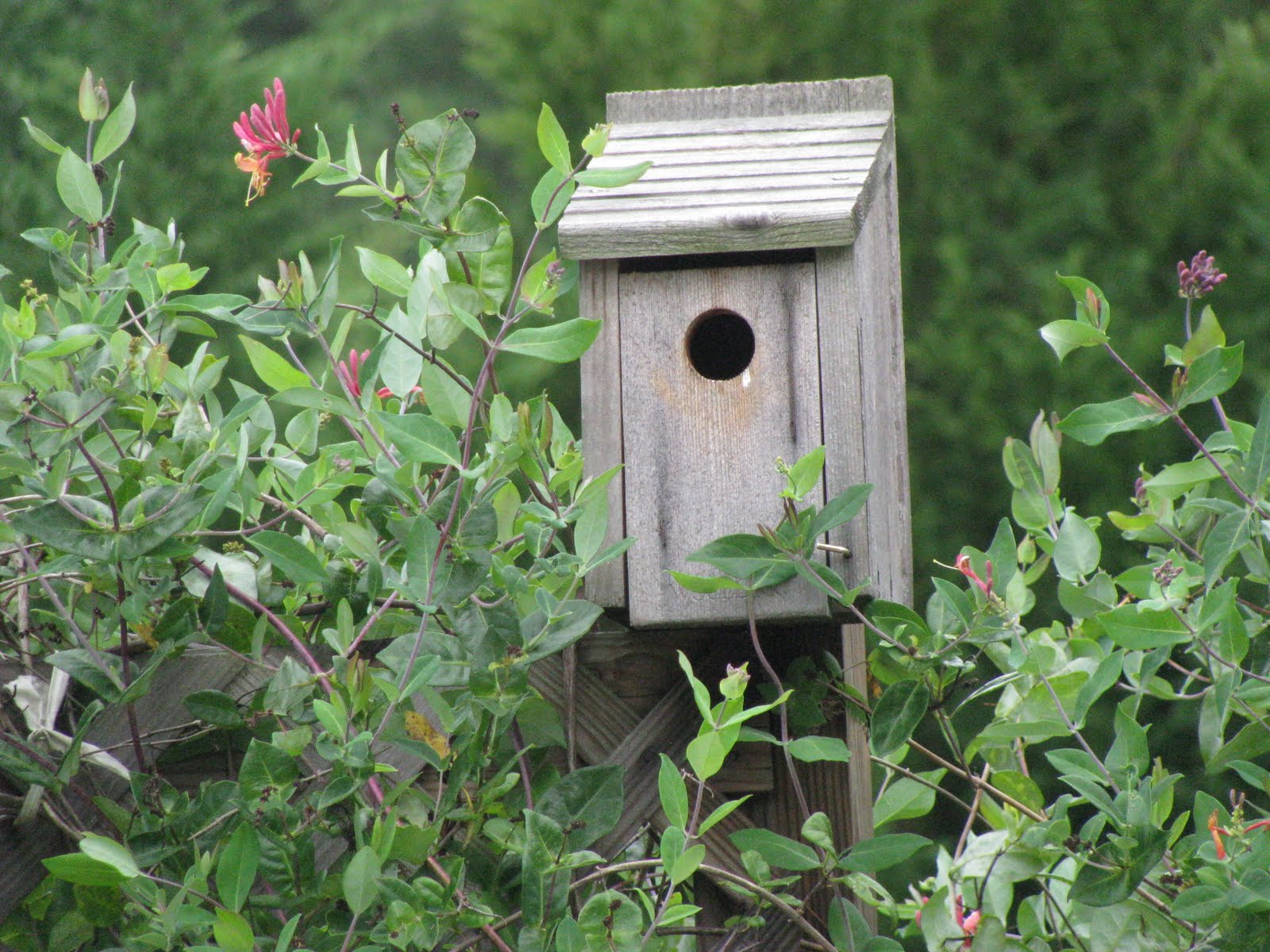
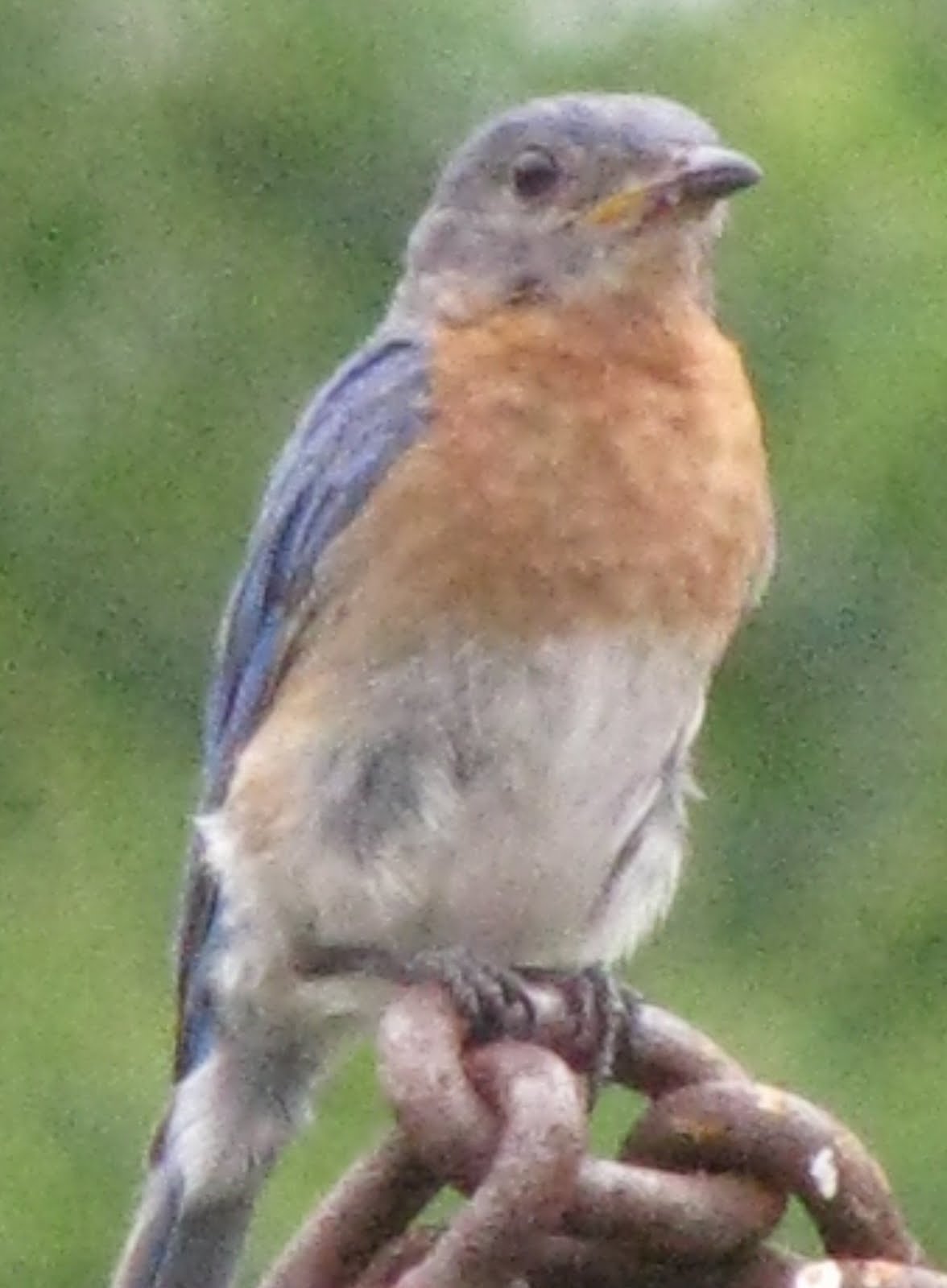
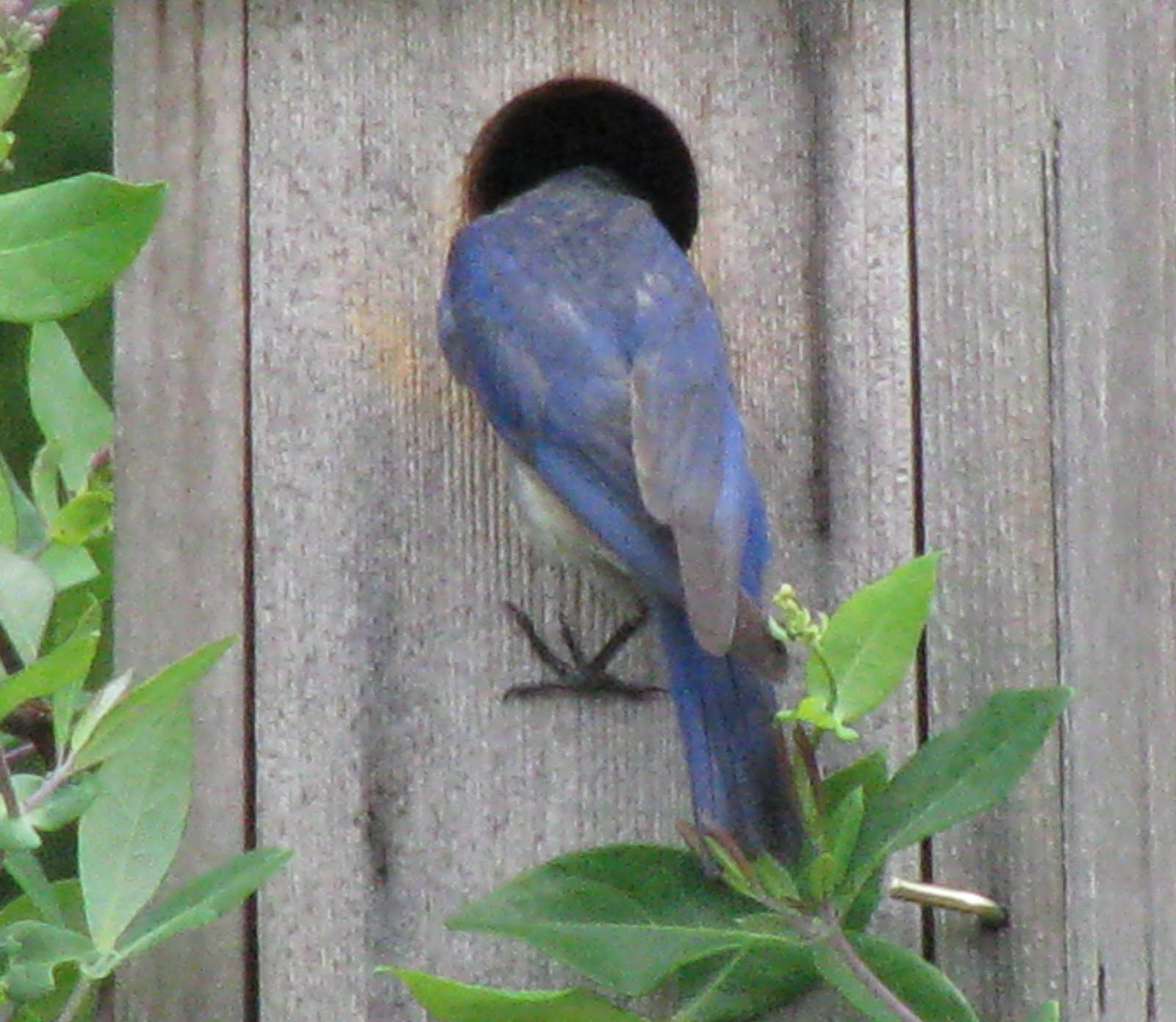
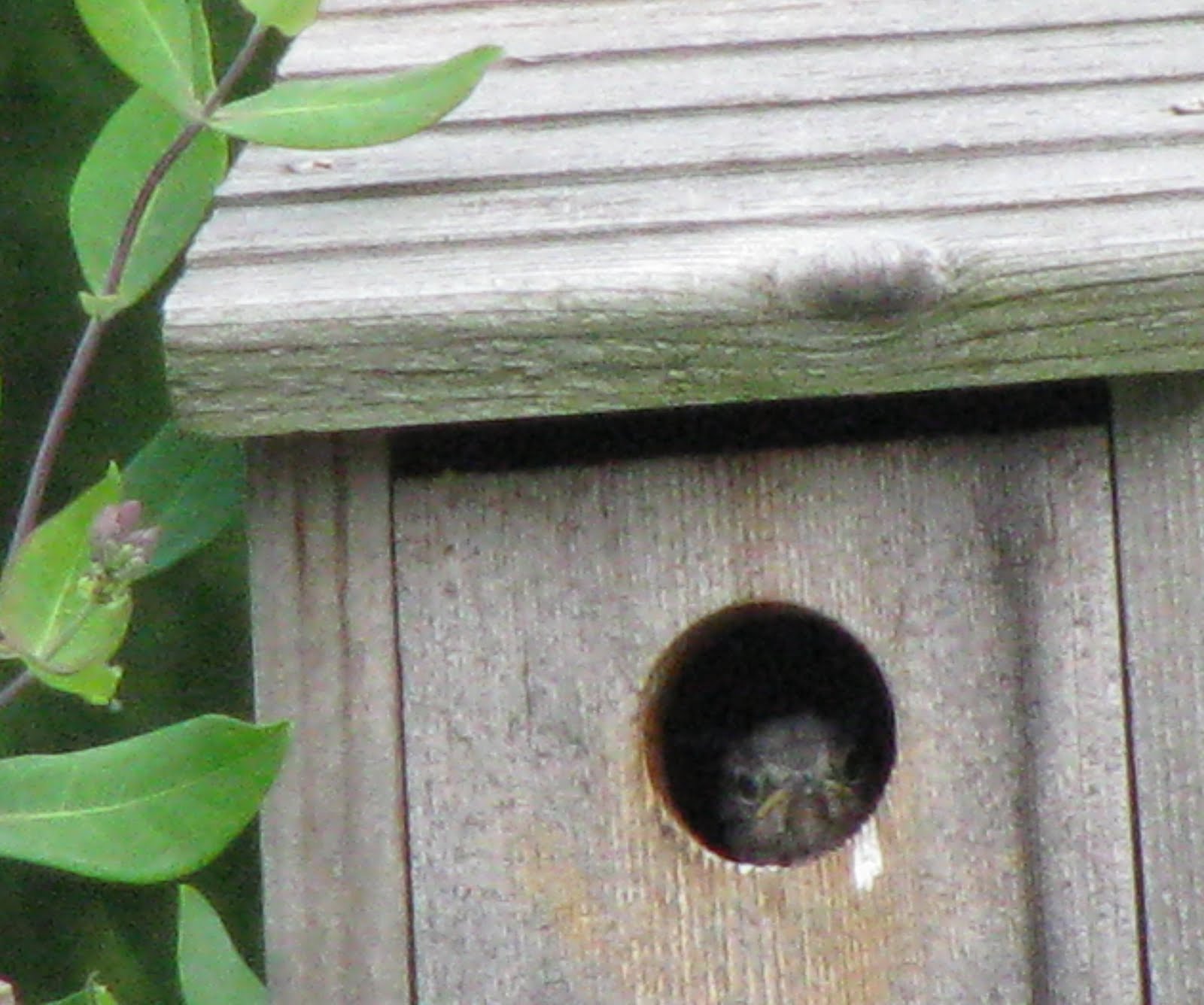
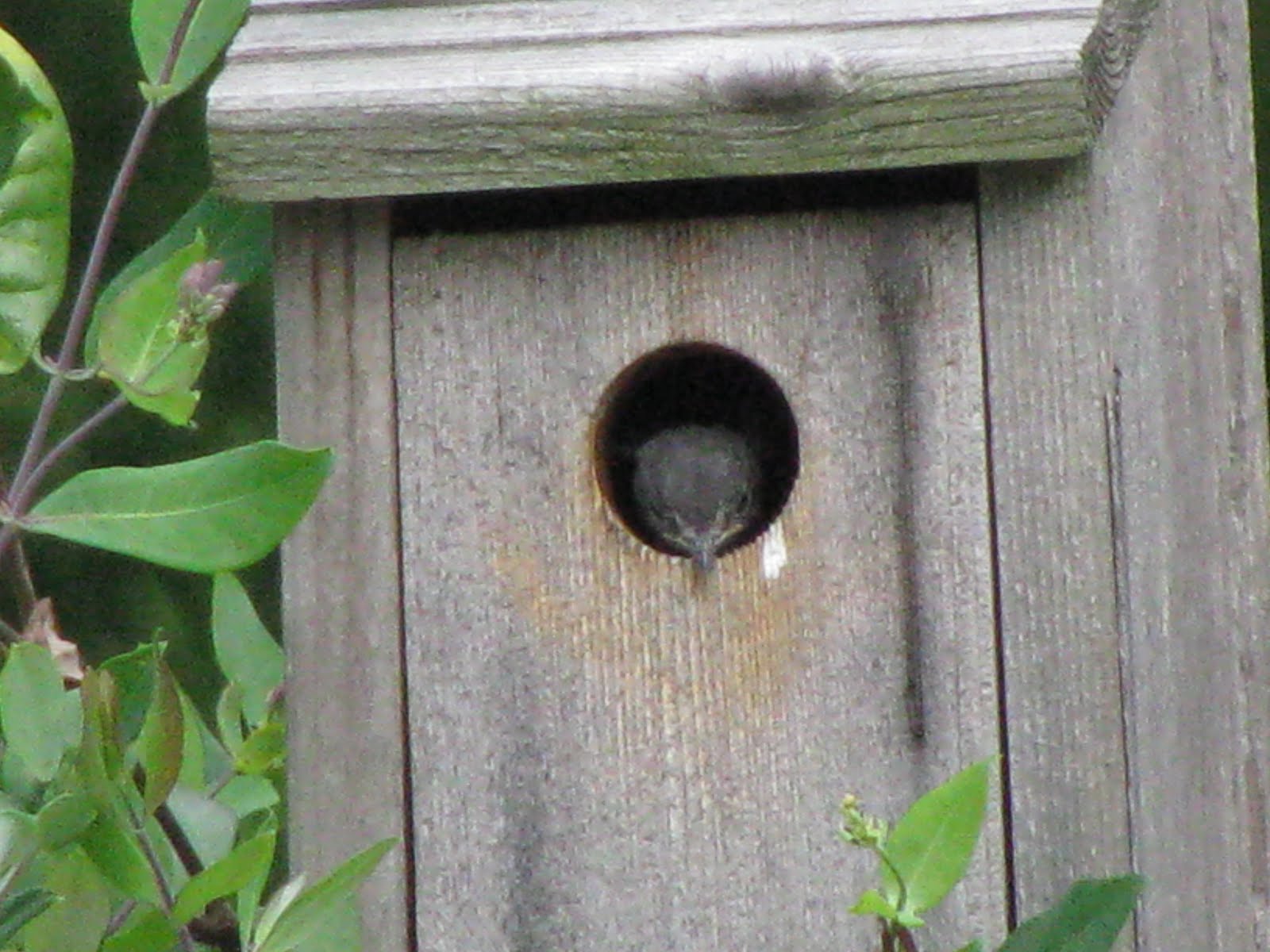
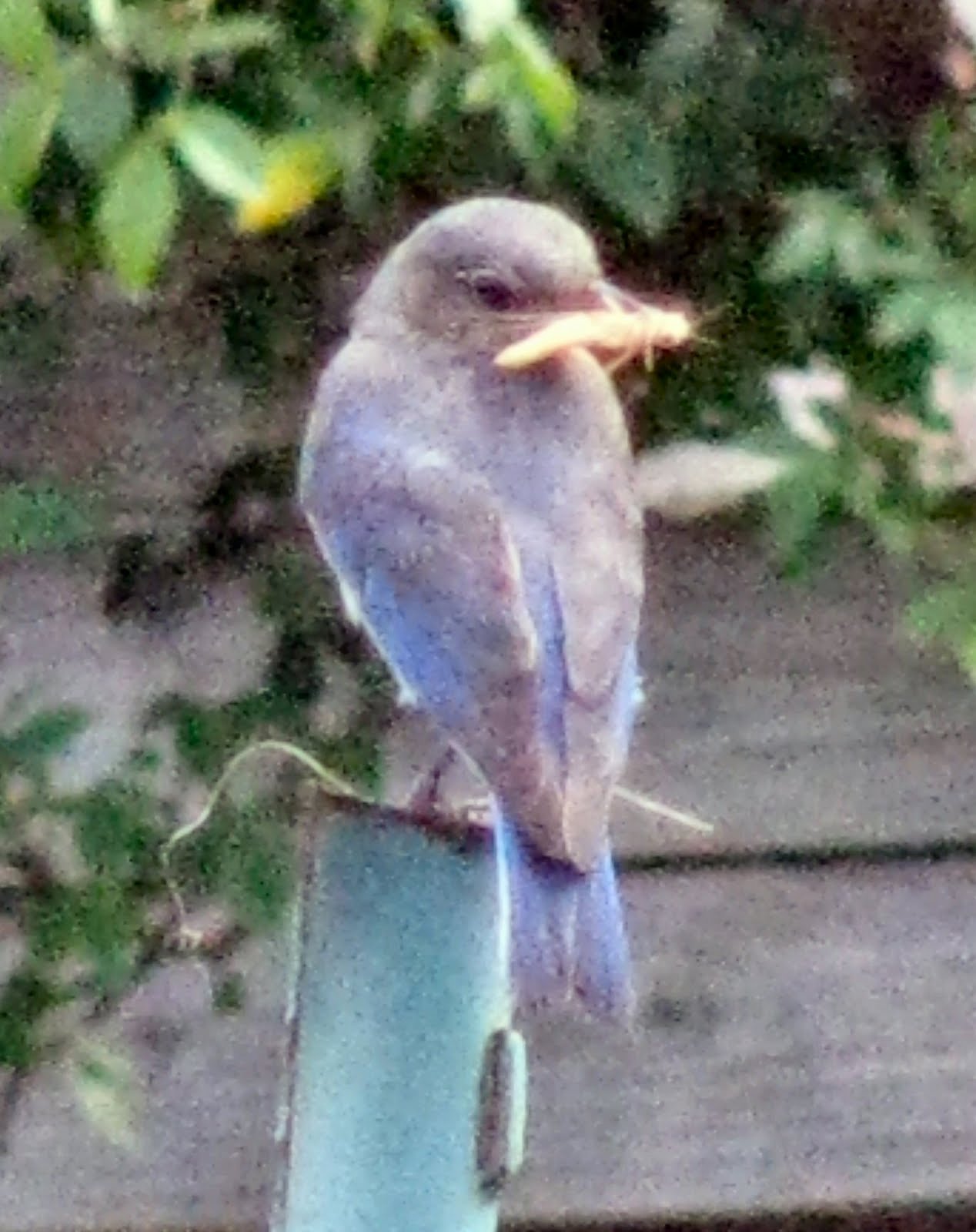
-We were happy to have a family of Eastern Bluebirds build a nest close to our office and garden. Yesterday Earl spent several hours observing Mom and Dad Bluebird trying to teach the last little one to leave the nest.

Bluebird House Near Office


Bluebird Male

Feeding the last little one.

Last But Not Least

What If I Can’t Fly?

Bluebird Dad demonstrates how it’s done and is ready to offer positive reinforcement. As of this morning, all babies were out of the nest and flying on their own!

Best Wishes for Fearless Flying, Fun Formulating, and Staying Coooool As a Cucumber this Summer!

Angie
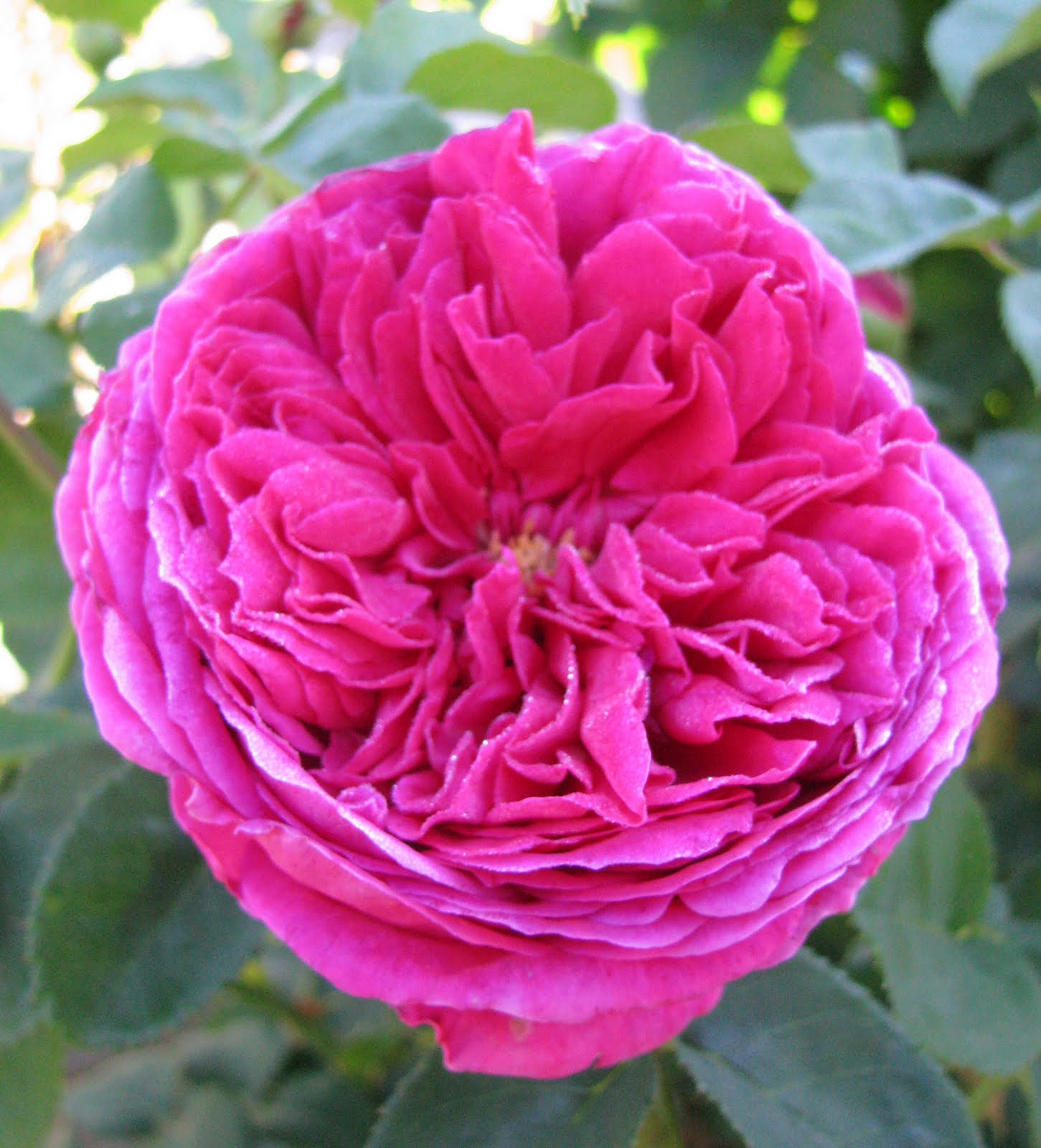
Posted in Musings From Stoney Hill Farm | 1 Comment

Summer Solstice

The Summer Solstice is here! St. John’s Wort is blooming and the forest and field creatures are ready for dancing! A time for magical transformation!


Right now I’m sitting in our newly renovated office which is next door to our newly renovated processing/lab facility. Since we incorporated The Herbarie approximately 10 years ago, we’ve expanded our warehouse and business facilities numerous times to accommodate our growth. But this time we simply did not want to build another structure; instead we chose to rethink the existing facilities. During May and June our workspace was completely redesigned and renovated to allow for greater functionality and we are thrilled to have completed these changes!

I love my new processing/lab facility! I’ve just started a distillation of chamomile which smells wonderful to me! The next phase of the renovation will be to complete a break room for employees and to rework and refinish another storage area.


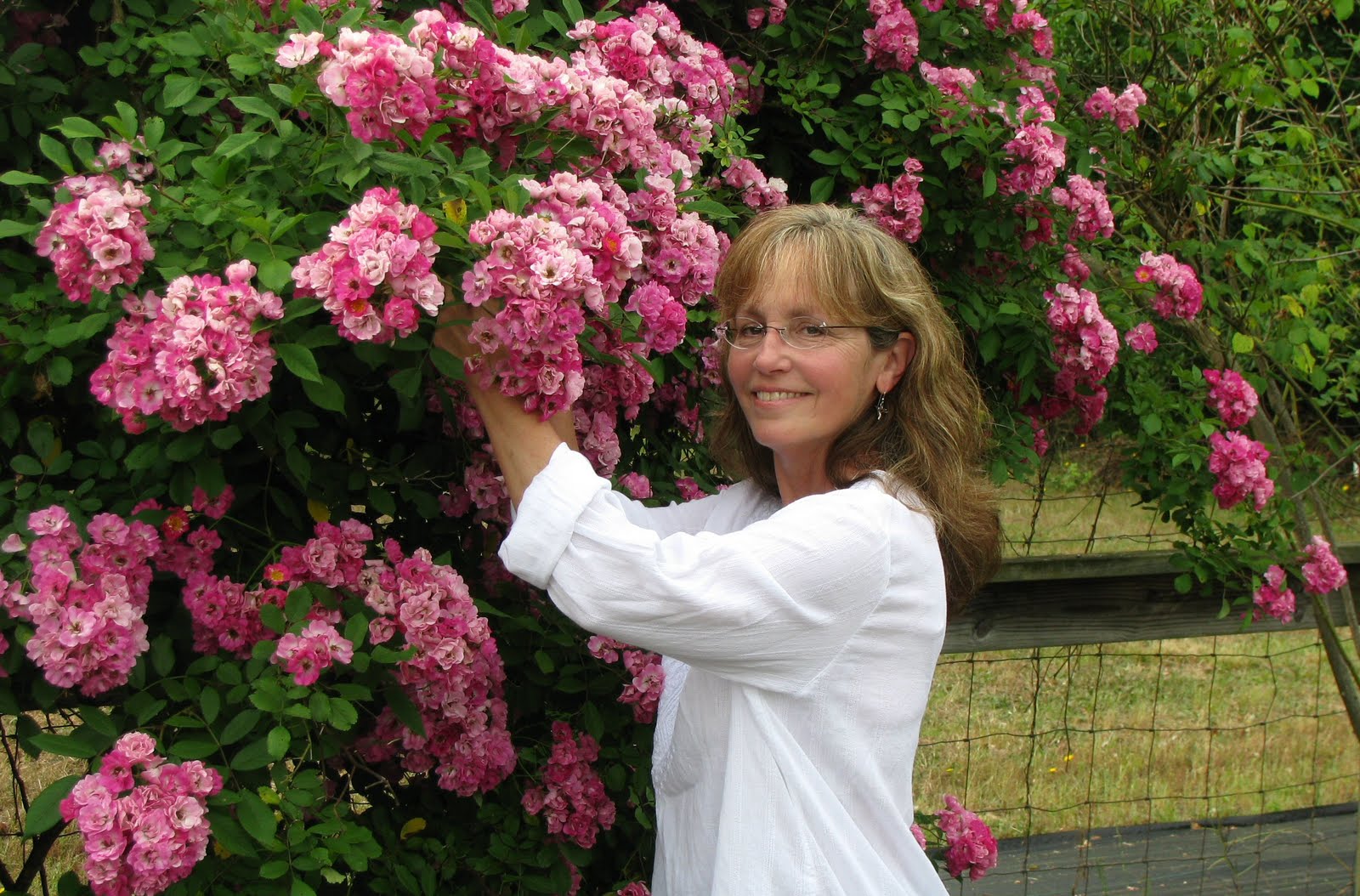
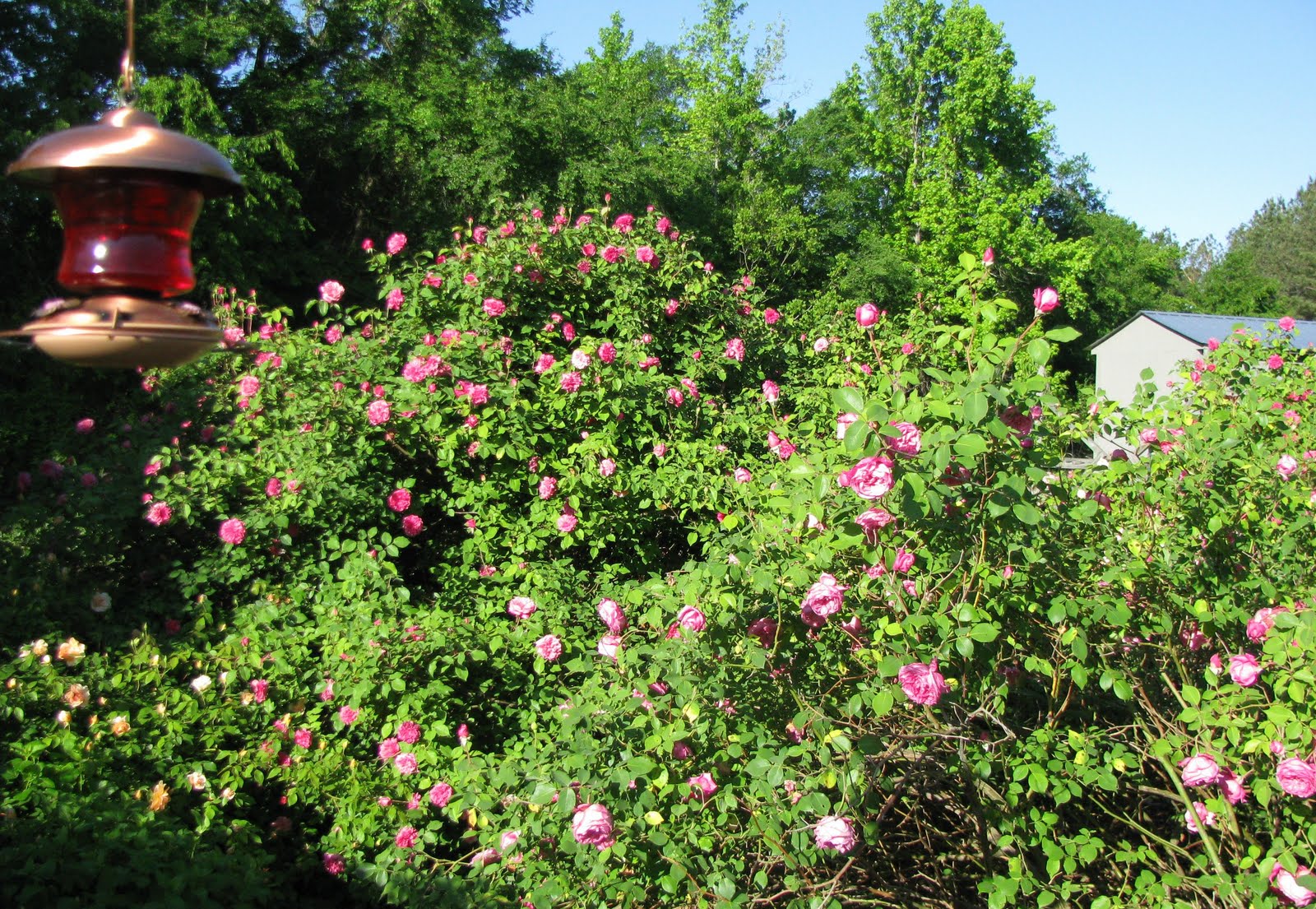
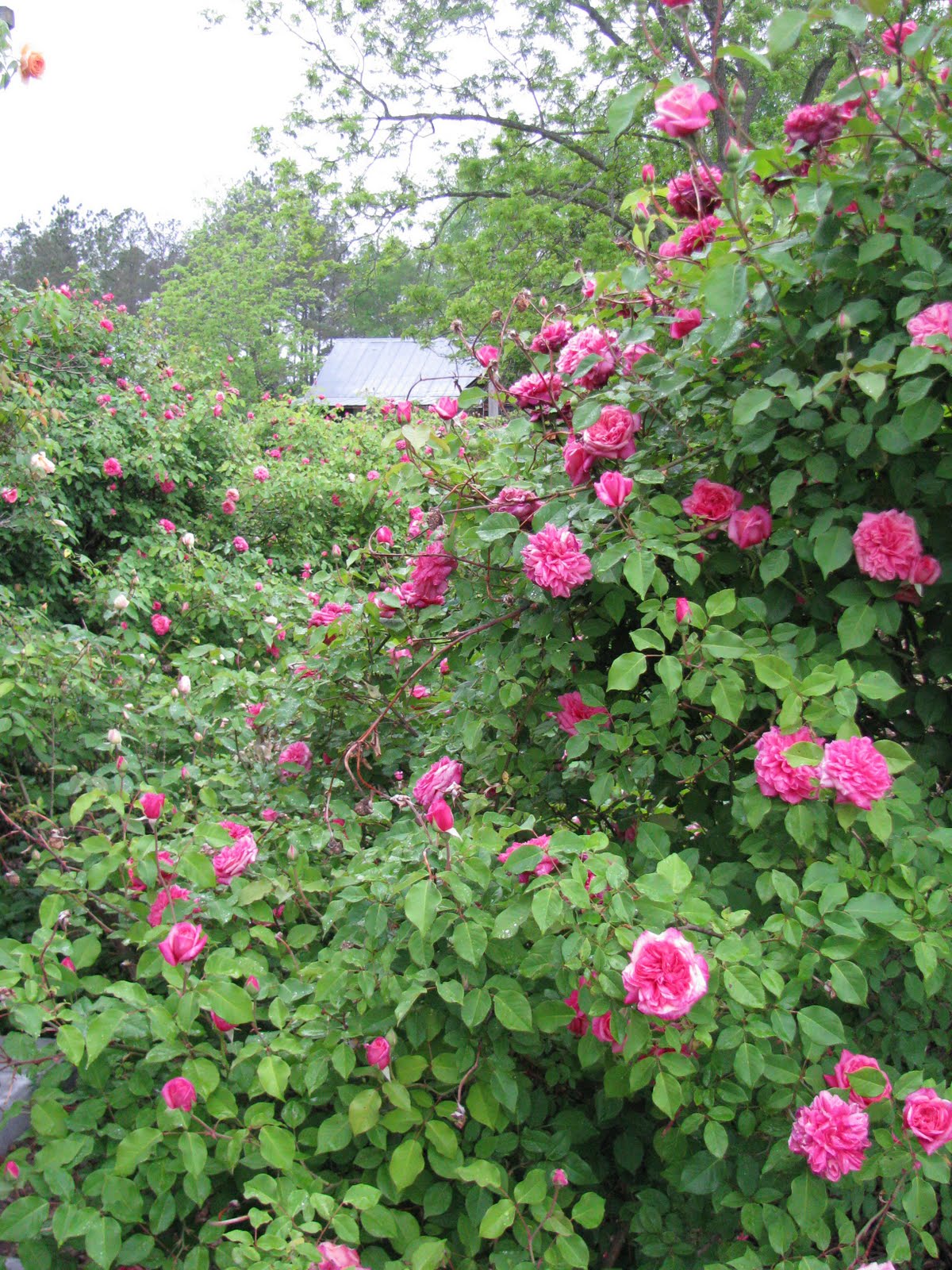
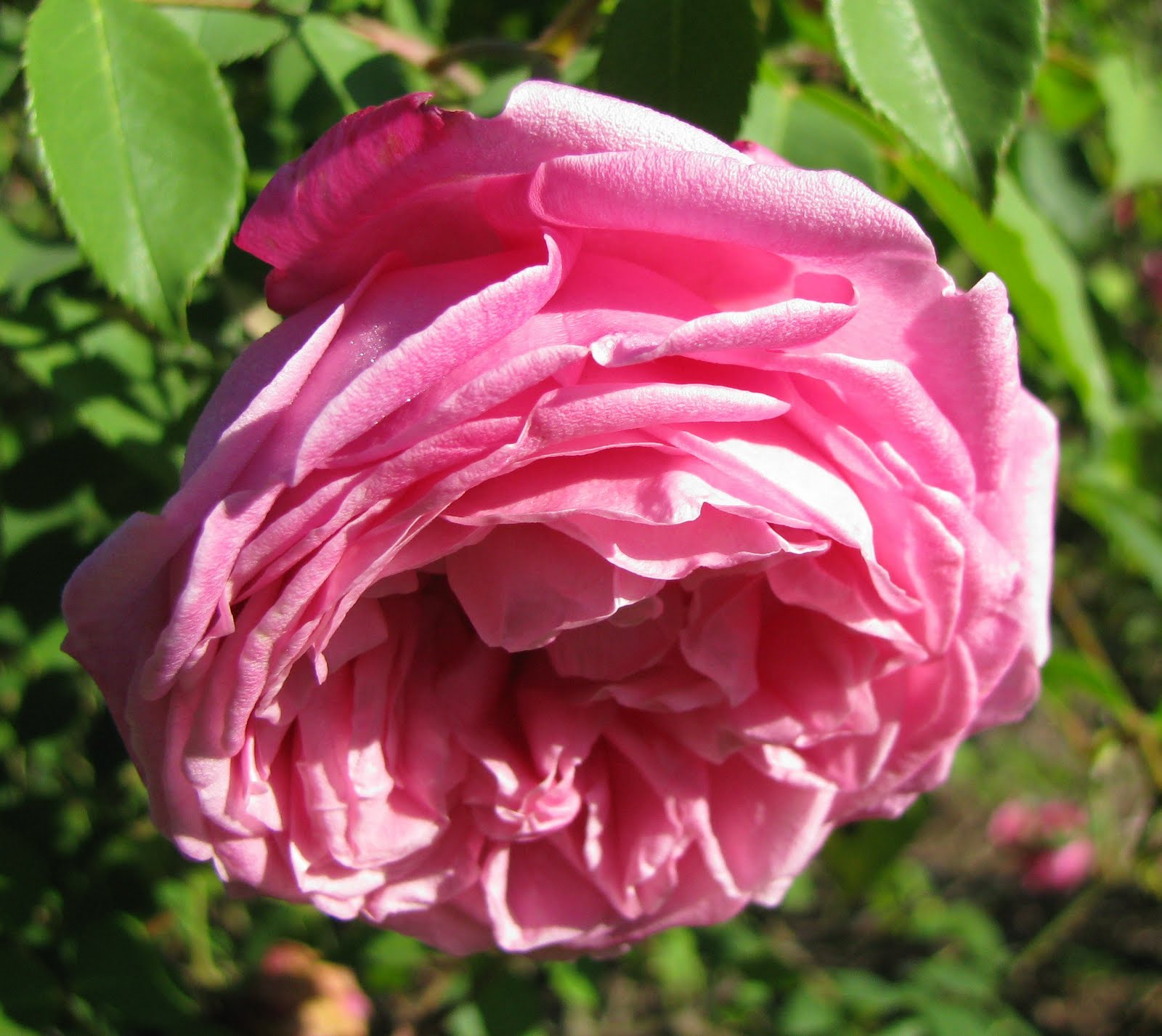
May was a lovely month here at the farm and the roses bloomed beautifully! We distilled our Rose Hydrosol each week and enjoyed the scent of our roses while we worked inside. When our hybrid musk Belinda rose is in full bloom she takes center stage. The bees love Belinda and so do I!

My overall theme and focus for 2010 seems to be on redesigning, restructuring, and reorganizing everything – life, gardens, and work! The gardens are slowly, but surely, evolving into what I have envisioned for years. While our cottage gardens are not spectacular, the birds, bees, butterflies and I love them!


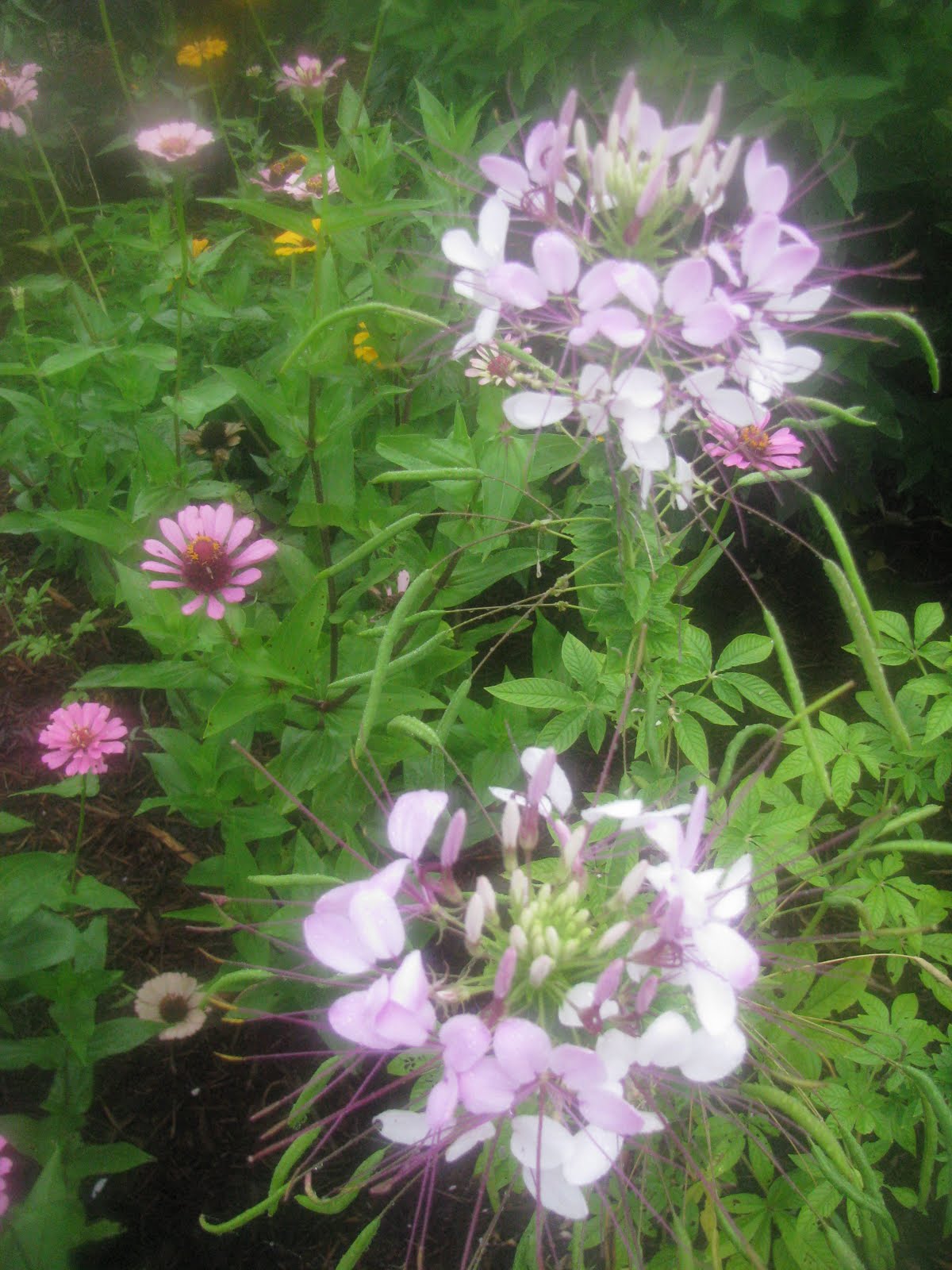
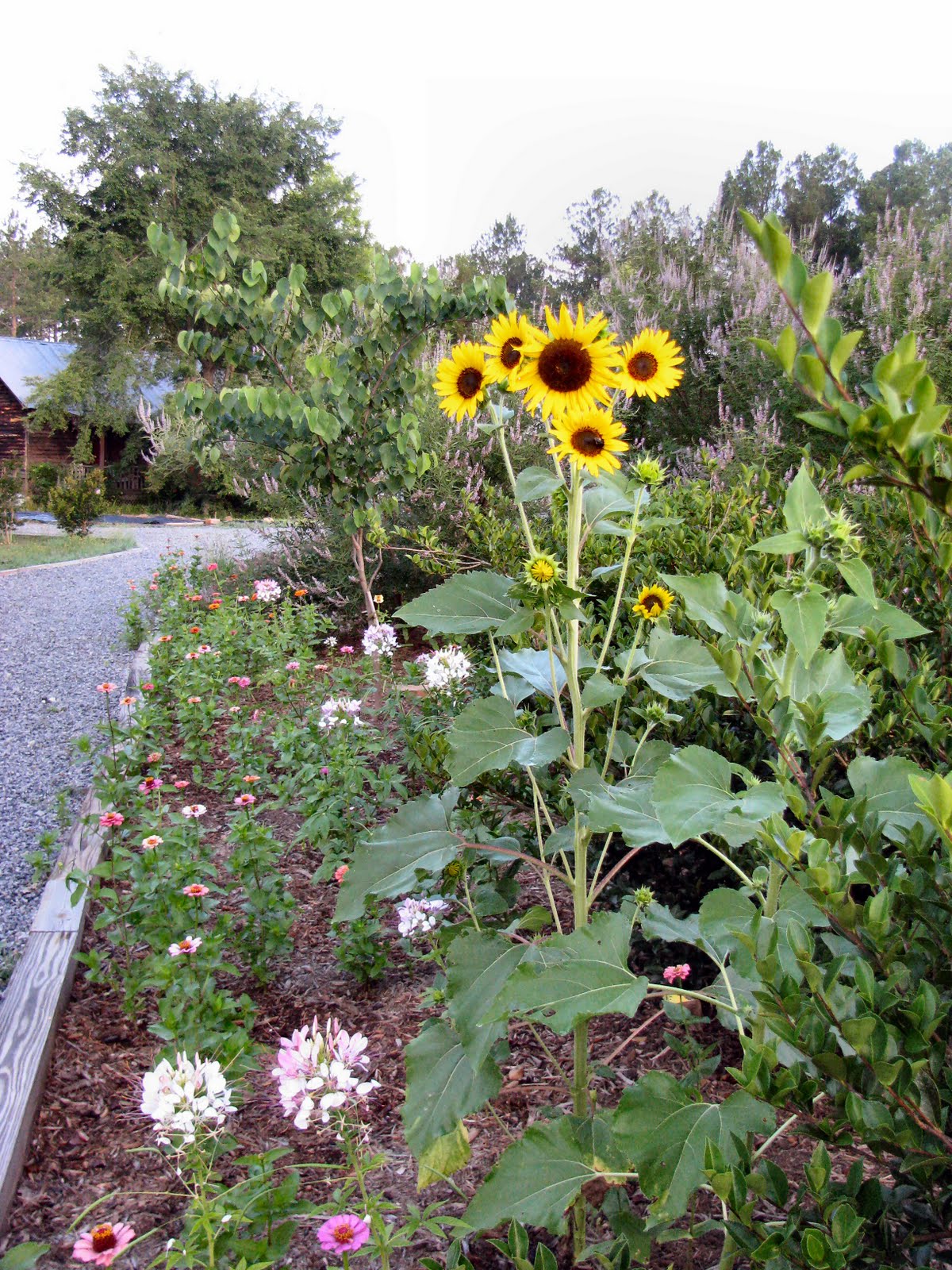
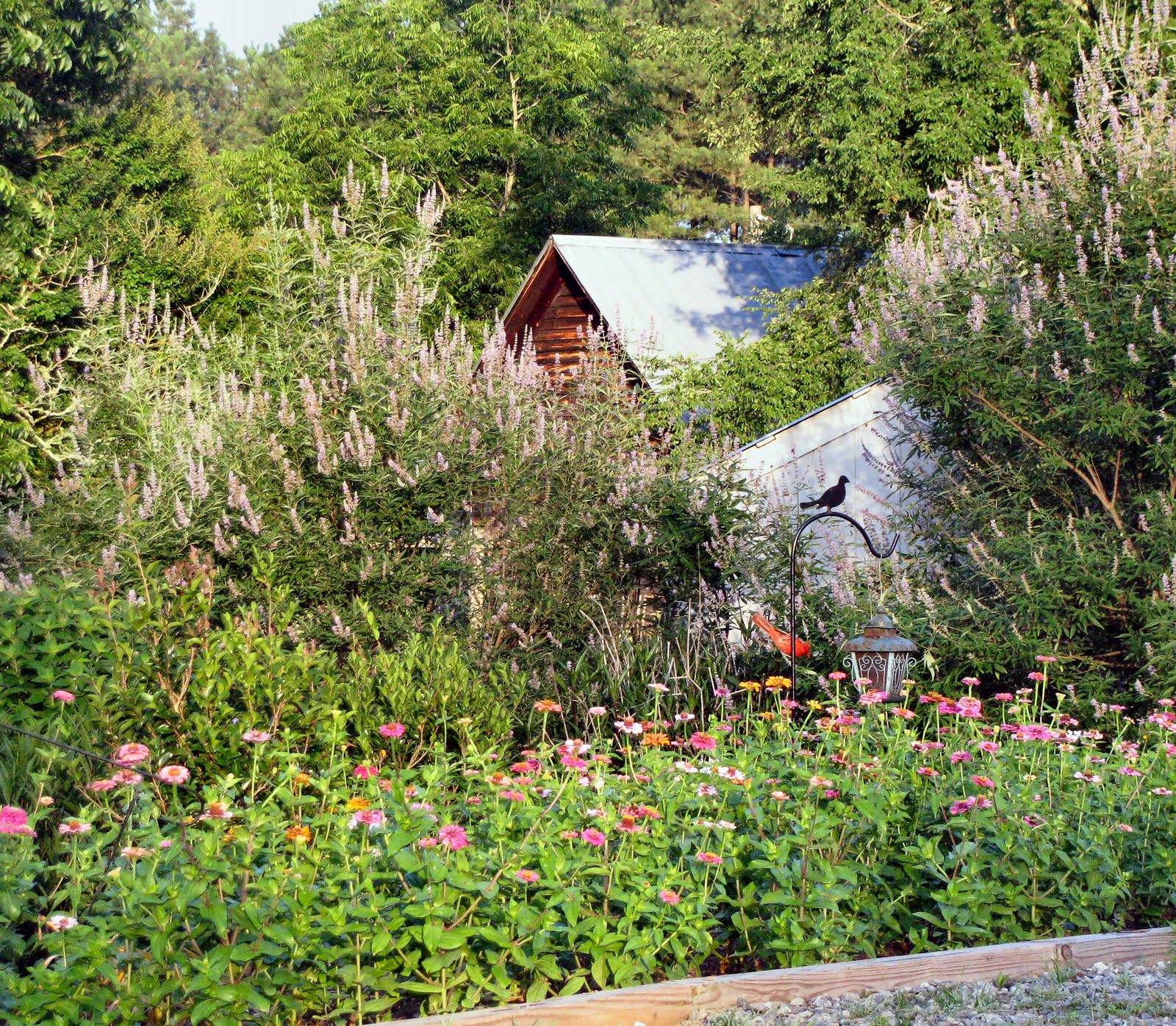
Every year our Zinnias reseed and share their happy blooms with us. Our Zinnias, Cleome (spider flower), Pineapple Sage, Sunflower, Vitex (Chaste Berry) Tree, and Camellia Sansanqua are pictured here.

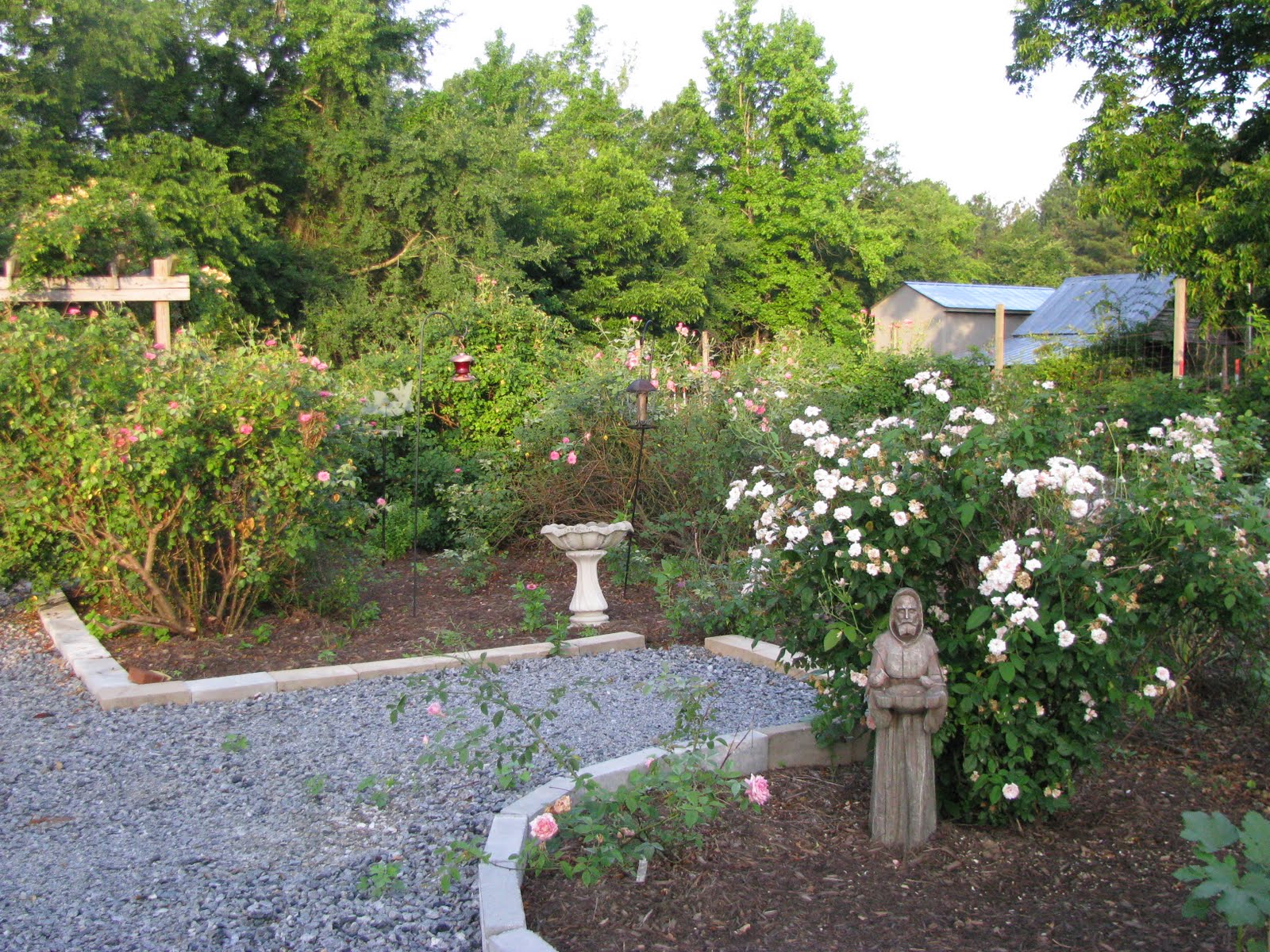
Several years ago, we created wide gravel paths between garden beds of different shapes and sizes. Last month we continued this theme into our main vegetable and rose garden.


As a tribute to my winter visitor Joy, I’ve set up a permanent space for hummers near the huge Monsieur Tillier and Mrs. B.R. Cant roses.


This is a view of Joy’s Place including Monsieur Tillier, Mrs. B.R. Cant and Crepescule Roses. The gravel paths provide pleasant access to the gardens for planting, mulching, harvesting and simple enjoyment!


The
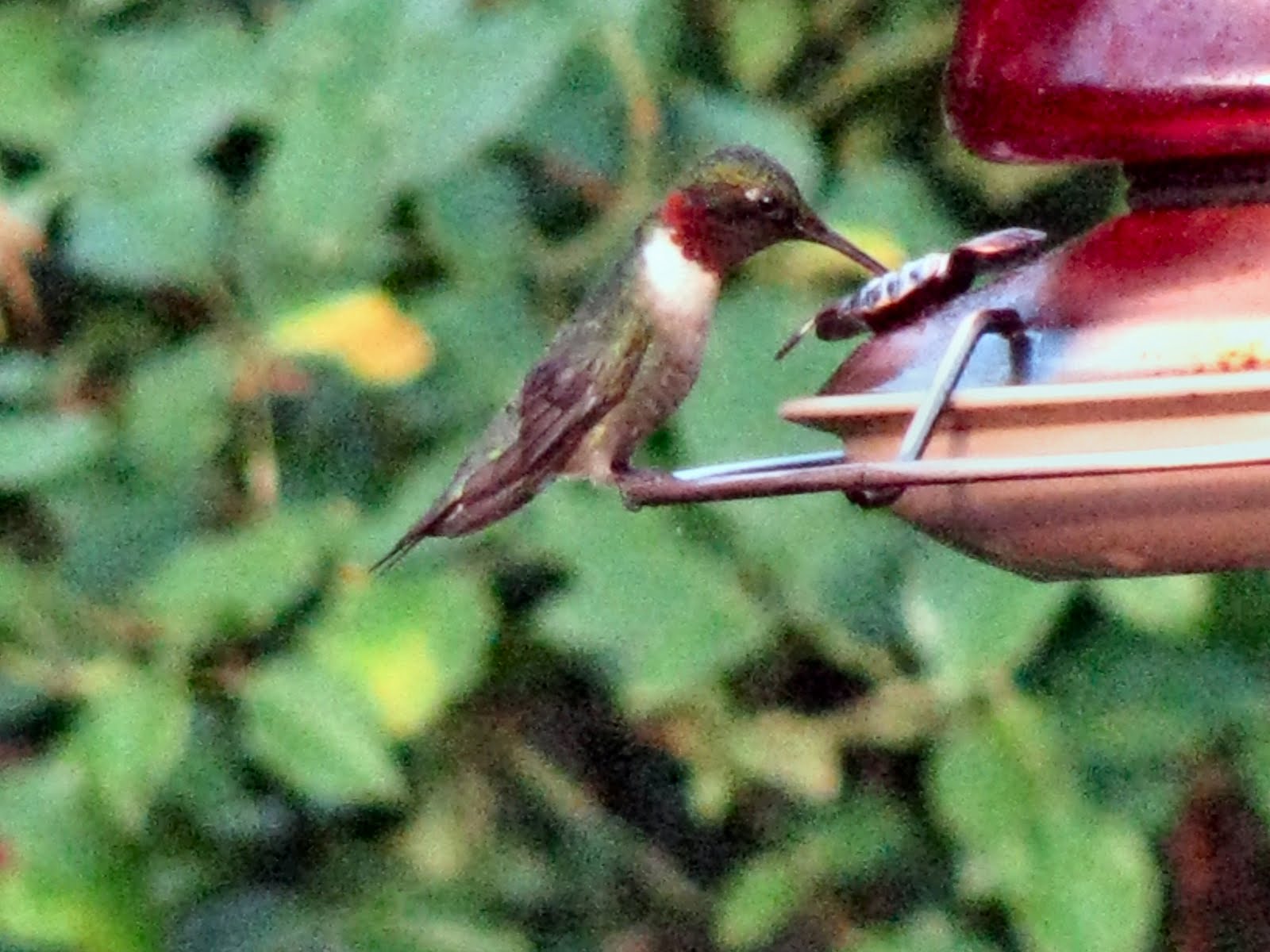
Ruby Throated Hummers have been here since May and are enjoying the flowers and the sugar water feeders. Just this past weekend, I noticed this courting male performing his arc dance for a female. I bet there’s a tiny nest around here somewhere!

We’ve recently built three pergolas in one of our garden beds that will eventually have a small garden pond in the center. Inspired by our friends Patti and Jay, we’ve planted 4 Hardy Kiwi vines – one male and three female along the sides of the pergolas. As you can see, this bed is still under construction. We recycle our many cardboard boxes by using them as biodegradable weed control and ground cover in our gardens. The boxes form the first layer over weeds and then we cover the cardboard with hardwood mulch. Near each Kiwi plant, we layered rabbit manure between the cardboard and the hardwood mulch. Within a few months the “sheet composting”, along with microbes and worms, will yield nutrient-rich soil.


Hardy Kiwi are vigorous vines and in two or three years will cover the pergolas. I’m looking forward to the lush, shady summer retreat as well as the fruits! The garden pond will hopefully be done this fall or winter.

It’s important to note that we did not do this work all by ourselves. Most of the hardscaping, work on the garden paths, and pergolas, and also the business facility renovations were done by our neighbor Bobby Morris. Bobby is brilliant and “can do anything” – a real Renaissance man. He’s completing his doctorate in religion, plants a huge vegetable garden every year, speaks and teaches Hebrew, and can build or rebuild any vehicle or building from top to bottom. I’ve shared my visions and ideas with him and he has been able to make my ideas a reality. Thank you, Bobby!

On Mother’s Day, Earl, Sally and I visited my daughter Kim in Durham, NC. Amy – my youngest daughter – came up from Dallas and we had a wonderful time! This is a picture of Amy, Sally and me at Kim’s soccer game.

The weekend after our fun visit to Durham, I found a lump on Sally’s left elbow. We took her to the vet immediately and they recommended surgery. We scheduled Sally’s surgery early June and it went well, but the biopsy results told us that Sally has a soft tissue sarcoma. While this was certainly not the best news, it wasn’t the worst news either since soft tissue sarcomas are more localized and less likely to metastasize.


However, because of the location of the tumor, there was no way to remove enough surrounding tissue to allow for good, clean surgical margins. Therefore, the likely recommended treatment will be radiation – twice a week for five weeks. We’ve scheduled an appointment with an oncologist so we’ll know more about the treatment at that time. Even though we are naturally upset about all of this, the prognosis is good for this type of cancer and we are very, very hopeful that Sally will have a complete recovery.


Sally is pictured here about two days after her surgery. She’s wearing her tee shirt to protect the elbow. Jean gave her the cute little dolly. Right now, Sally is happy and enjoys the extra attention.

Last fall and winter I began a new spiritual journey that has proved to be very enlightening and has also brought much joy to my life. We stay so busy and it seems like we rush from one thing to the next, one day to the next, multi-tasking as well! I’ve learned how to slow down enough “to smell the roses”. I understand that life is more about the journey than the destination.


It’s so important to make the most of each day – to enjoy each moment, both in work to play. So often the special gifts are right in front of us. A friend’s smile or kind word, a bird’s brilliant color and song, or the scent of a flower can bring great joy. Just this morning, when Sally and I were on our walk, a gorgeous black swallowtail butterfly appeared. The butterfly flew around us and just in front of us for quite a while – a special gift for us! I like to think the butterfly represented beautiful transformation that is available to all of us no matter our circumstances!


May we all be blessed with butterflies and beautiful transformations. Best wishes for a joyful summer!


Angie
Posted in Musings From Stoney Hill Farm | 1 Comment

The Roses Are Blooming!

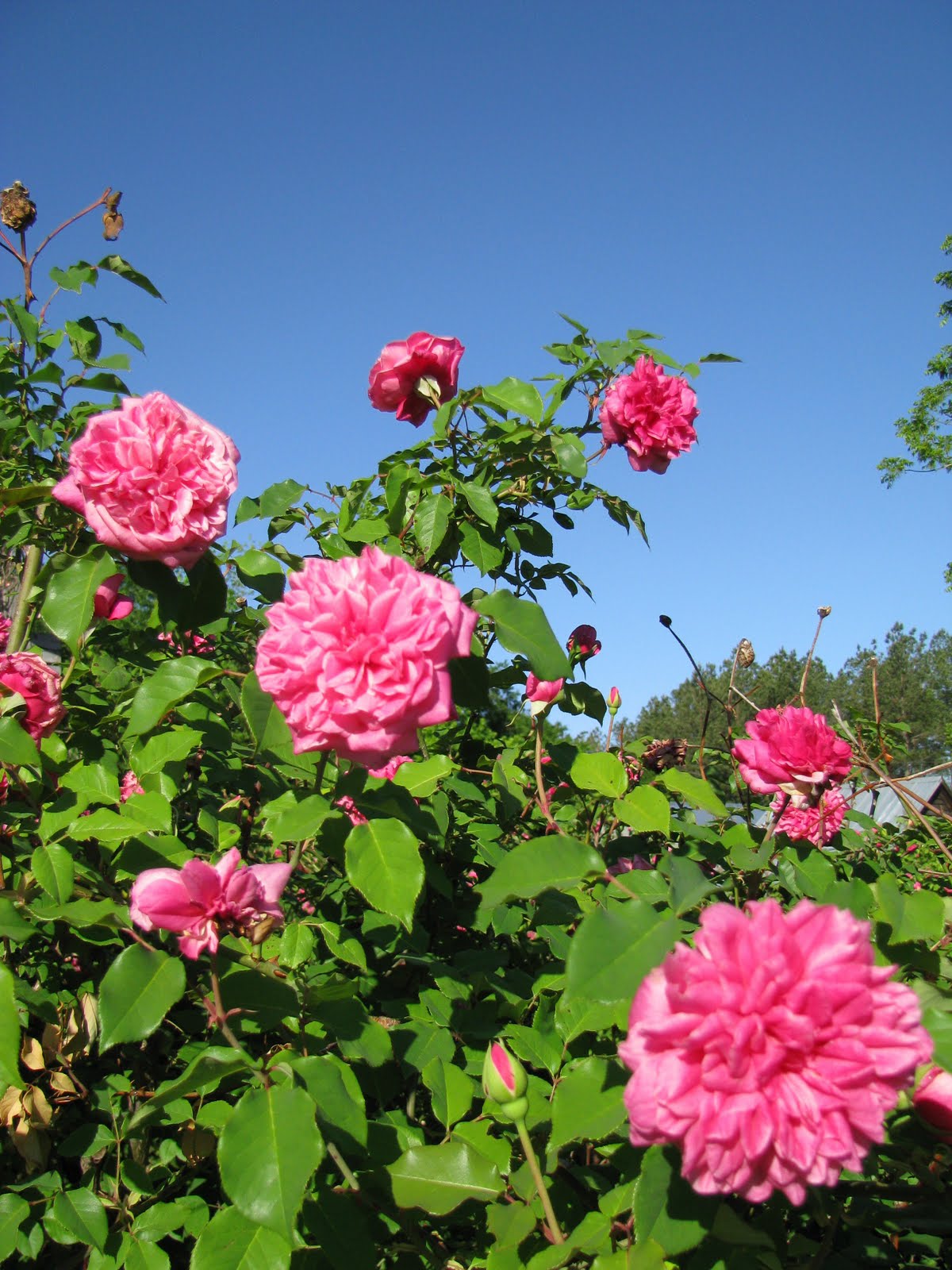
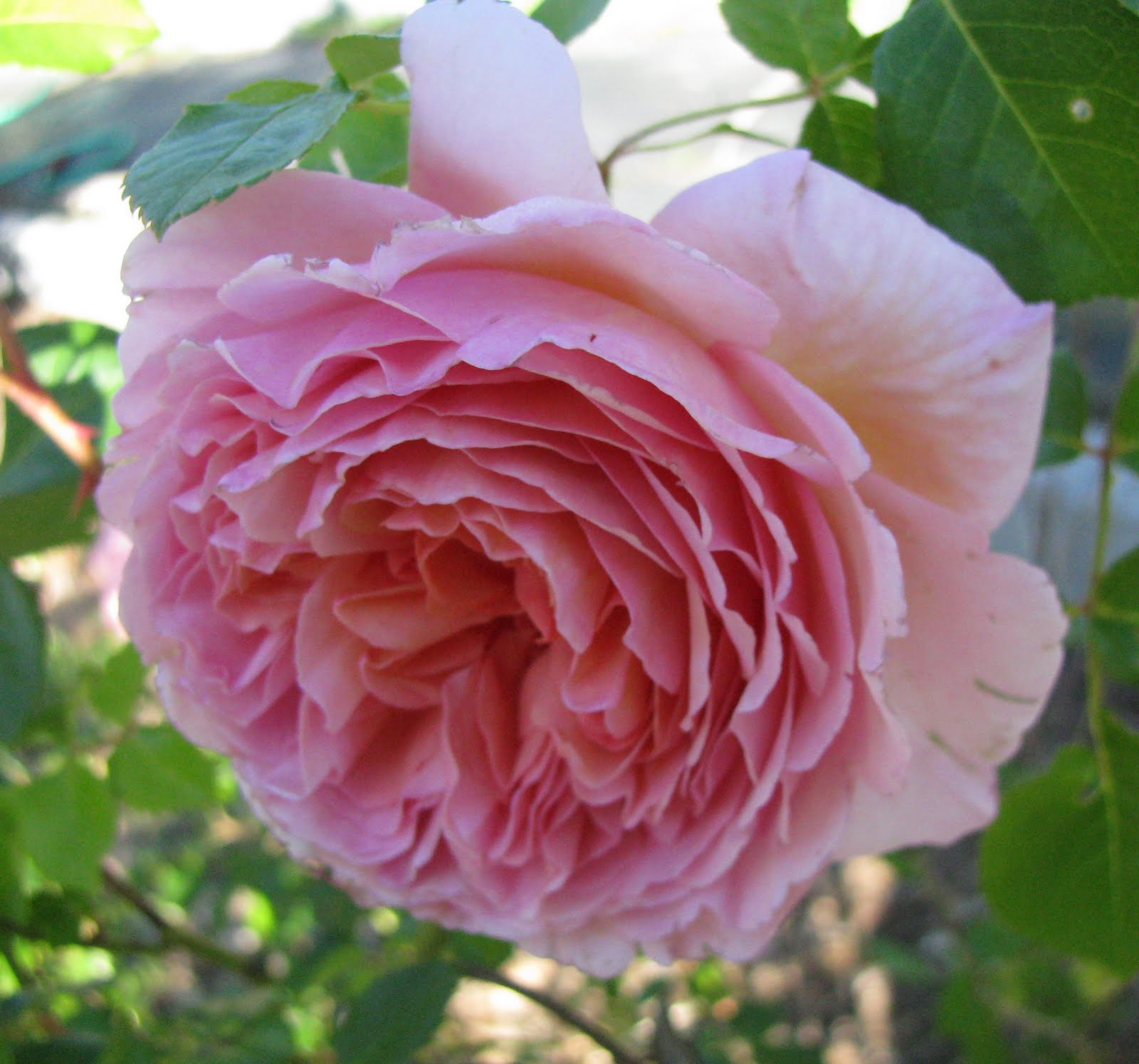
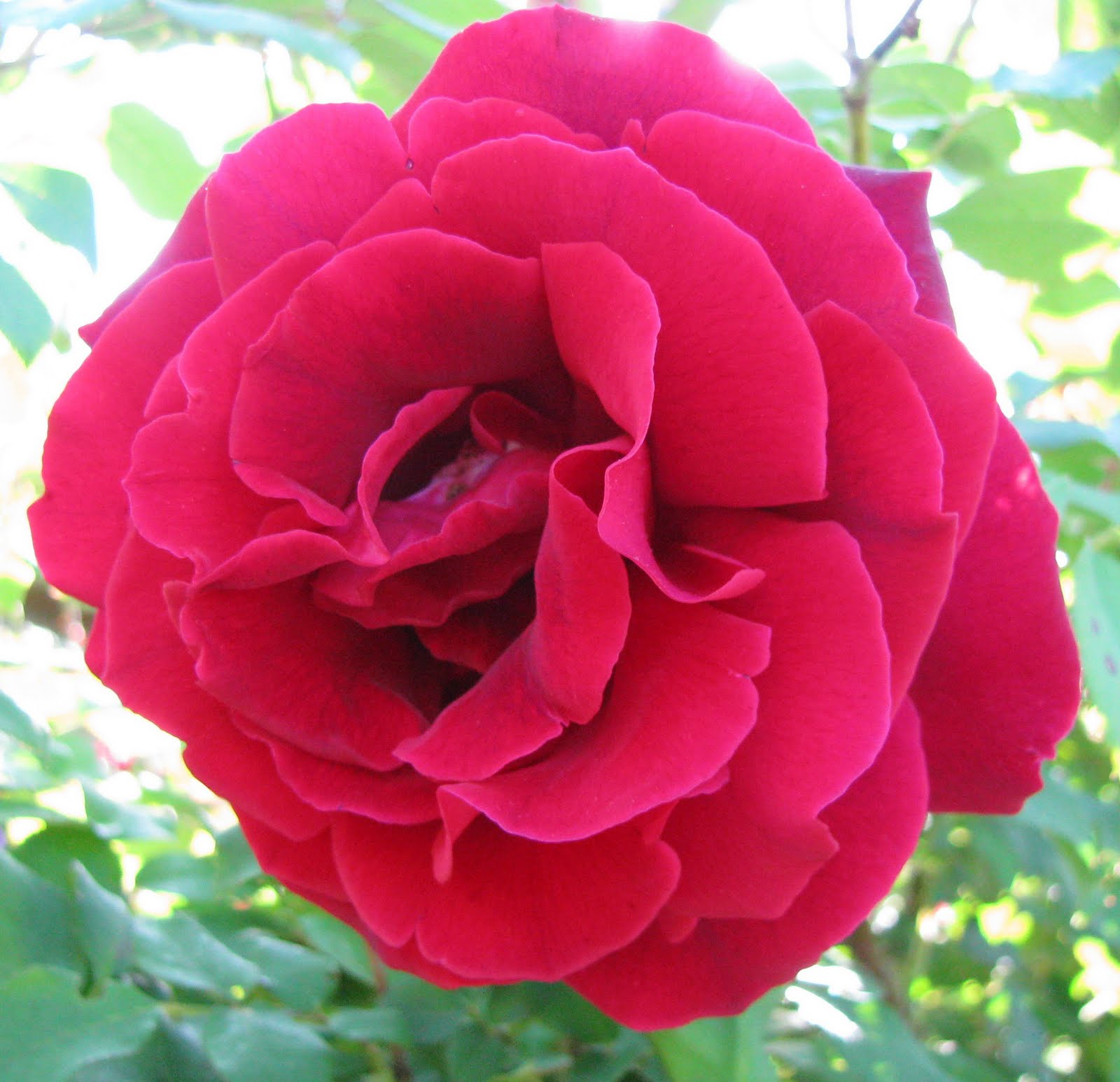
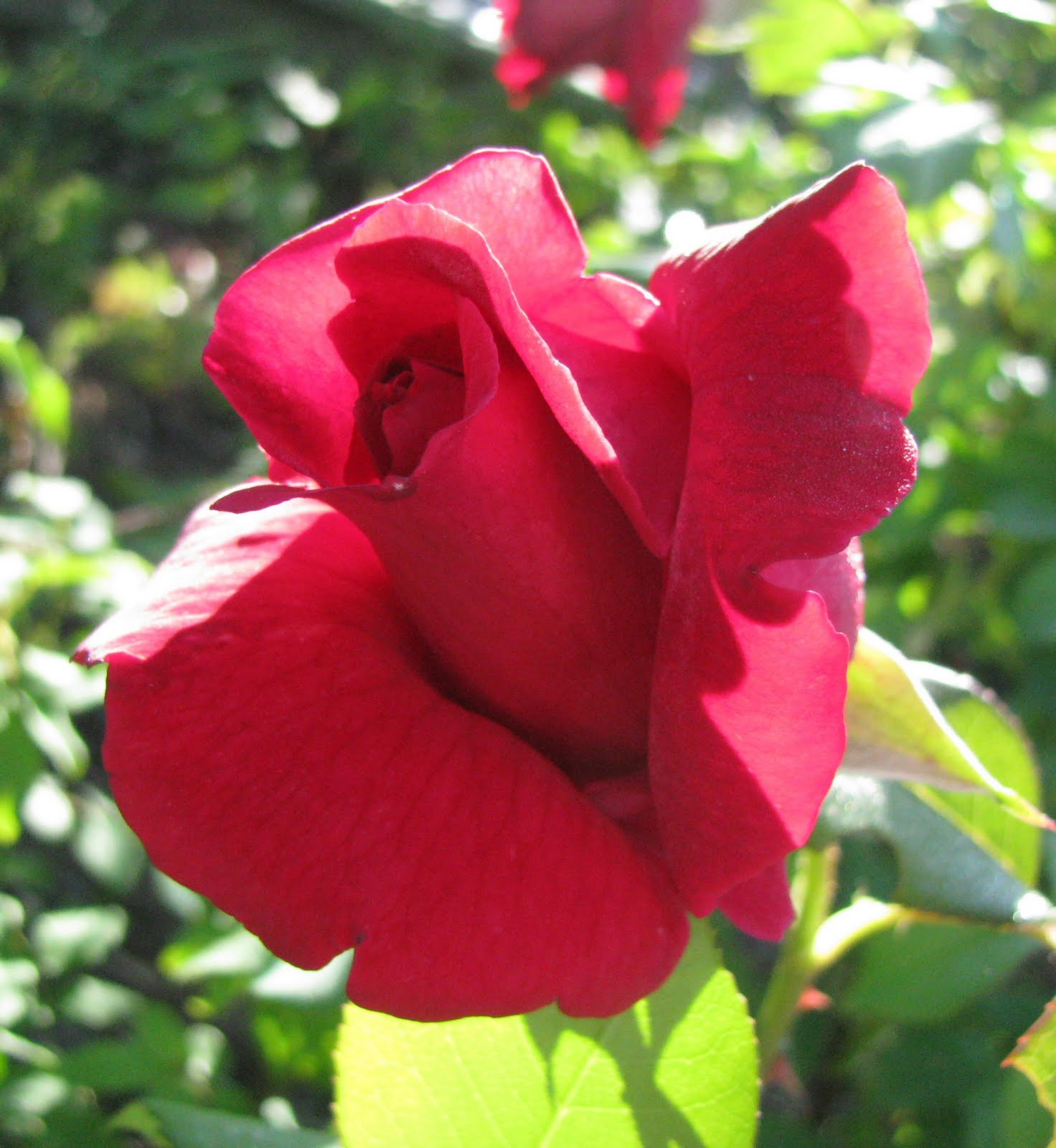
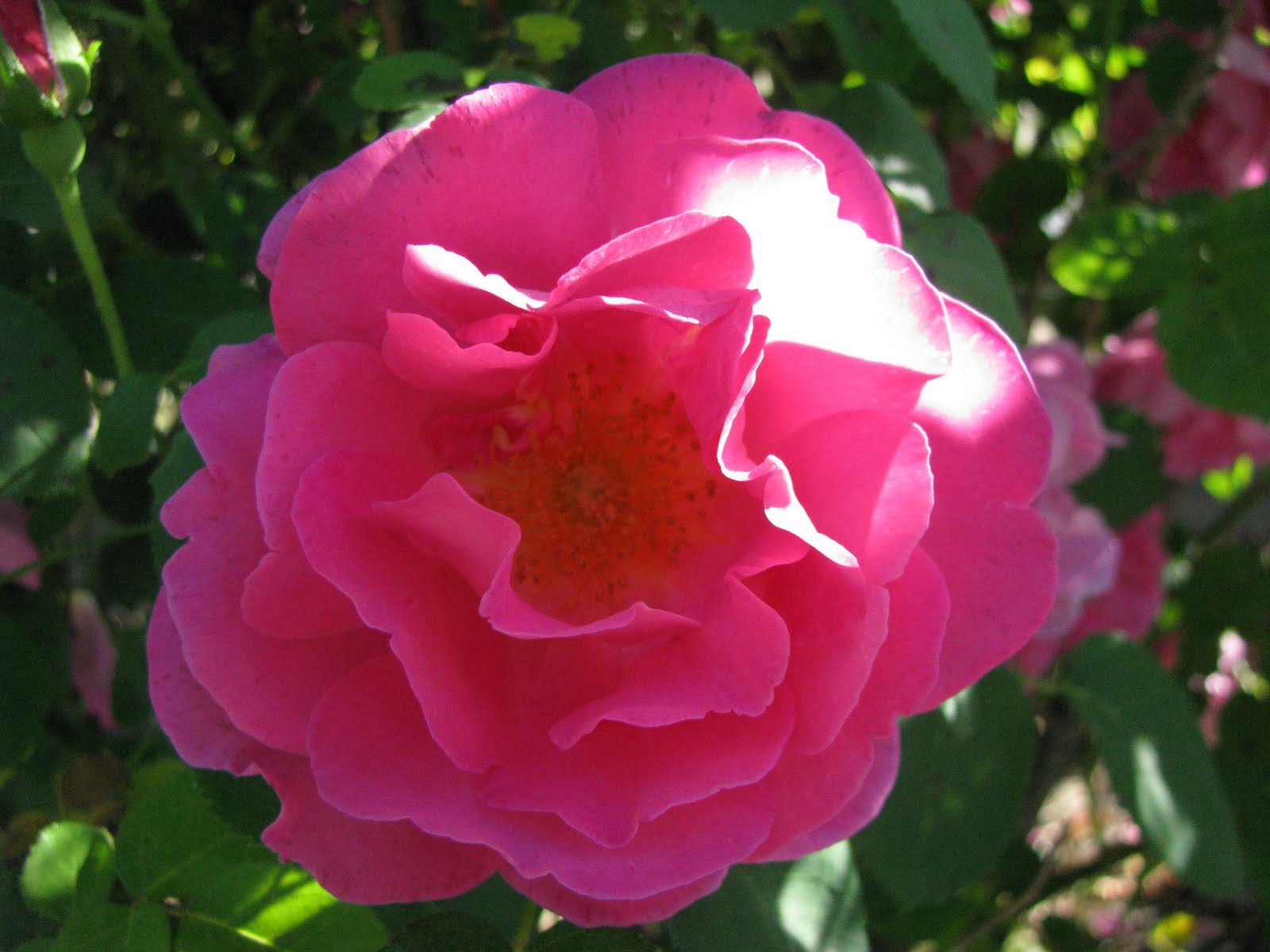
To everything there is a season and the roses are blooming again! We have a gorgeous morning here at Stoney Hill Farm – clear and cool – fresh green against cerulean blue sky – the kind of day that we wish could last forever. This week, most of the roses are in full bloom! Some of my favorites are Sarah Van Fleet, Belinda’s Dream, Abraham Darby, Othello, The Prince, Madame Isaac Perrier, The Apothecary, Zephirine Drouhin, Mrs. B.R. Cant, and Monsieur Tillier. Each season I am amazed by their generosity and beauty.

I’ve spent the morning in the garden with my roses, harvesting many blossoms for distillation, many for drying, cutting some for the office and home, leaving some untouched to simply enjoy their beauty as they grow. I’m running our second rose distillation this week and the rose scent is heavenly!! For me it just doesn’t get better than this!

We have been spending as much time in the garden as possible, but this time of year there is never enough time to do everything! In addition to our gardening, we are also very busy with processing our herbs and flowers for our botanical extracts and complexes. The long awaited Botanical Complex HCA is now in stock! Rose Phytolate Botanical Complex will soon be available. As requested, new botanical extracts and complexes are on the horizon!

The warehouse staff is still very busy with orders and we are thankful for our loyal customers! We are all working very hard to streamline our warehouse procedures so that we can maintain our quick turnaround. But since there are only 24 hours in a day, we sometimes don’t meet our goal of 24-48 hours. For customers who need immediate shipping, we offer our RUSH order option which we mention in our Sales and Shipping Policies.

But even though we are soooo busy, I wanted to take just a few minutes to share some pictures and let everyone know what’s happening at the farm.

I’ll report that Joy, my winter hummer, left for the Pacific Northwest on March 25. I was so very sad for her to leave, but I like to think of her finding a mate and building her nest to raise her babies. I am hoping she will return this Fall. I’ll certainly be watching for her!

Soon after Joy left, we had our first Ruby-Throated Hummer visit the sugar water feeders. It was a female apparently scouting around for a good summer spot. She must have spread the word because this morning I saw two hummers zooming around one of the feeders.

Hummingbirds and other birds, butterflies, bees all love our gardens since there is always something blooming and there are many nice places to nest, rest and enjoy.

Best Wishes for a Beautiful Blooming Season!

Angie


Posted in Musings From Stoney Hill Farm | Leave a comment

Spring is Here!

The daffodils are blooming, the birds are singing, the bees are buzzing and Joy is still in my garden!

It’s hard to believe that we are almost three months into 2010! We’ve certainly had an unusually cold winter, but there’s no doubt, Spring has now arrived!

I’ve planted Sugar Snap Peas and Snow Peas in the garden, they’ve germinated and are just now coming up. The seedlings under lights and on heat mats germinated beautifully and look like they are doing well. This year I sowed less because of time limitations. I chose two heirloom tomato varieties – Rose, which is our all-time favorite and Brandywine which is an old-time favorite but a new one for us. I also chose two varieties of Pepper – the absolutely delicious Corno di Toro sweet pepper and Aji Colorado a medium hot pepper. We’ll have two varieties of Basil – Sweet Genovese and Thai Basil. I plan to sow some Holy Basil (Ocimum sanctum) as well. I also sowed some of the delicious Rosa Bianca Eggplant. The miracle of Spring and the germination of seeds is a wonder of life that is a joy to behold.

Speaking of Joy, yes, she is still here. I was told that if we were lucky she may stay until March when breeding-time calls for her to leave for the Pacific Northwest. So, every morning when I go into the garden at dawn, I wait and wonder and hope I will see her. The chickadees are the first to call in the still dark mornings with their plaintive song of “fee-bee, fee-bee” as they pair up for mating. At dawn, the cardinals and the other birds join in for an early morning symphony. Then Joy zooms in to the sugar water feeder at the appointed time as the prima donna of the garden. She has survived the coldest winter we’ve seen in SC in many, many years with temperatures consistently less than 20F for days. She is a beautiful, brave, resourceful and resilient little bird. Joy has inspired me in so many ways and has taught me that each day is a gift to be cherished.

The Herbarie has been very busy and it’s been difficult to keep up at times. But Andy, Jean, Earl (not in the picture) and I have been working, working, working to keep shelves stocked and orders moving as quickly as possible! Within a few weeks, we should be back on our usual speedy schedule since we are adding new staff and increasing staff hours.

Our Herbarie customers will be happy to know that our Lemon Balm (Melissa officinalis) will be ready for ‘first harvest’ in about two weeks! As soon as it’s lush and green, we’ll be able to process our Botanical Complex HCA which also includes Peppermint Leaf, Yucca, Horsetail Leaf, and Nettle Leaf Extracts. This botanical complex has become a best seller and we’ve been out of stock for about a month. Botanical Complex HCA is rich in nutrients that are beneficial for both hair and skin and also has a fresh, clean scent. So, be sure to check the website for Botanical Complex HCA in mid April!

We are excited about gardening this year and look forward to all the fresh vegetables that will be coming soon! Throughout the winter our collards, turnips and mustard greens did well inspite of the snow and freezing rain. We are still harvesting collards and mustard greens although with temperatures around 75F, they will soon be going to seed. So yesterday I made sure to harvest some fresh collards and mustard greens for my dinner. Along with the Pink-eye Purple Hull crowder peas from our freezer, they made a delicious and nutritious meal.

My overall garden plan this year is for enjoyment! With that thought in mind, I am focusing on structure, functionality, nutrition, and beauty. Some may wonder how structure and functionality weigh into enjoyment? I’ve found it’s important to structure the gardens so we can more easily work within them. We spend a great deal of our time mulching and weeding. Two years ago we laid gravel paths throughout the various gardens which made access much easier and allowed for drainage also. This year we are extending the gravel paths into our big, fenced garden where we have beds for our roses, herbs and veggies. This will make access so much easier. As part of the overall plan, we are also building several pergolas in one of the other garden beds. I had considered planting more muscadines to cover the pergola and provide a lush shady retreat in the summer as well as delicious fruit in the Fall. After reading about Hardy Kiwi and seeing pictures of the lush vines that our good friends Patti and Jay have planted, I was inspired to try them instead. As part of that bed we will also build a small pond for water plants. I’m so excited about all the new plans!

All the gardening and hard work can lead to dry, rough and chapped hands. I’ve made a rich, moisturizing Gardener’s Hand Cream that both Earl and I use after a long day in the garden or anytime really. I’ll share the formula with you:

Gardener’s Hand Cream with Sugarmulse

Part One or Water Phase:
68.96% Distilled Water
0.5% HEC

Part Two or Oil Phase:
4% Sugarmulse
10% Cupuacu Butter
6% Golden Jojoba Oil – Organic Certified
3% Botanical Complex LSCD
0.5% Coviox T50

Part Three or Cool-down Phase:
5% Symglucan
1% Myrtle EO and Lavender EO Blend
0.04% Rosemary Antioxidant CO2 Extract
1% Optiphen

100% Total

I prepared a 500 gram batch that I packaged in two 8 ounce jars. Here’s the batch I worked out:

Gardener’s Hand Cream with Sugarmulse – 500 gram batch

Part One or Water Phase:
68.96% Distilled Water = 344.80 grams
0.5% HEC = 2.5 grams

Part Two or Oil Phase:
4% Sugarmulse = 20 grams
10% Cupuacu Butter = 50 grams
6% Golden Jojoba Oil – Organic Certified = 30 grams
3% Botanical Complex LSCD = 15 grams
0.5% Coviox T50 = 2.5 grams

Part Three or Cool-down Phase:
5% Symglucan = 25 grams
1% Myrtle EO and Rosemary EO Blend = 5 grams
0.04% Rosemary Antioxidant CO2 Extract = 0.2 grams
1% Optiphen = 5 grams

100% Total = 500 grams

-Part One: Disperse HEC to room temperature water and heat until temperature reaches 170F – be careful not to scorch HEC.

-Part Two: Combine all oil soluble ingredients and heat until solids are melted.
-When both Phase One and Two are heated, pour Part One (water phase) into Part Two (oil phase) and begin mixing. High shear mixer such as a stick blender can be used.
-Continue to mix until emulsion begins to form and begins to cool
-As emulsion begins to thicken and cool, switch to the hand held wire whisk
-When emulsion is 100F or less, add Part Three (cool-down phase) and continue to mix with the wire whisk until completely cool. 500 gram batch will yield about 16-17 ounces. Package in jars.

This formula is one of my favorites. Each ingredient lends its own unique characteristics to the formula.

● SugarMulse is one of the best of the new nonionic, PEG-free, biodegradable, plant derived self-emulsifiers. SugarMulse offers excellent stability and a conditioned skin feel and is easy to use.

Self-emulsifiers or Complete Emulsifiers provide emulsification as well as stability and thickening due to the fatty alcohol portion. But sometimes it’s helpful to include a low HLB emulsifier or water phase stabilizers. In this formula, no other emulsifier is necessary, but we do include a water phase stabilizer/thickener.

● HEC or Hydrodroxyethyl Cellulose is a water dispersible, water phase thickener and stabilizer. Water phase thickeners/stabilizers provide a structure that allows for greater stability and also enhances the overall feel of the product.

Other water dispersible stabilizers/thickeners that can be used are XanThix or UltraMaize at varying percentages.

● Golden Jojoba Oil is USDA NOP Organic Certified and is simply an outstanding quality oil. Jojoba Oil is nourishing and conditioning to skin and is quickly absorbed without residue.

Other oils that can be used are Marula Oil, Abyssinian Oil, Sunflower Seed Oil, or almost any vegetable oil. I prefer using the more stable oils as mentioned.

● Cupuacu Butter is a luscious butter that has the capacity to moisturize and condition skin leaving a soft, supple feel.

I have also used our Shea Butter USDA NOP Certified Organic with excellent results.

● Botanical Complex LSCD contains nutrient-rich extracts of Burdock, Elder Flower, Lavender, Calendula, and Cleavers and provides emolliency as well.

I have used Calendula Extract OS and our Rose Extract OS (not yet available for sale) with good results.

● Symglucan is an exciting multifunctional, antiaging ingredient manufactured by Symrise. SymGlucan® is made by a patented technology which refines Oat Beta-Glucan to produce a highly active soluble fraction. Symglucan is primarily marketed as an antiaging product, but I use it in almost everything I make for myself. Symglucan softens skin and is the best humectant I’ve ever used. I figure I deserve it 🙂 There really is not a good substitute for Symglucan since it offers unique characteristics.

● Coviox T50 is utilized in the formula for its antioxidant capabilities to help protect the Cupuacu Butter from oxidation.

● I’ve included Rosemary Antioxidant CO2 Extract for antioxidant capabilities also. In addition to antioxidant capabilities, Rosemary Antioxidant CO2 Extract serves as an antimicrobial and an anti-inflammatory – a perfect addition to a Gardener’s Hand Cream.

● The primary antimicrobial is Optiphen. Optiphen along with Rosemary Antioxidant CO2 Extract and the essential oils of Myrtle and Lavender will serve as the entire preservative system.

I have also made this cream with Geranium, Rosemary, and other essential oils, but particularly like the fresh clean scent of Lavender with the Myrtle eos.
I hope you will enjoy this cream as much as we do!

***********************************************************

Happy Spring!

Angie

Posted in Musings From Stoney Hill Farm, New From The Herbarie, The Formulary, The Garden, The Kitchen | Leave a comment

The Winter Solstice and Joy in the New Year

The Winter Solstice is a time for introspection, a time to be quiet, and a time to listen. I was fortunate to be able to take time in December to reflect on the past year, contemplate where I hope to go in the future, but most of all just enjoy the present. We all live such busy lives that it’s much too easy to lose touch with ourselves and the truly important things in life. For me, spending time with Nature is revitalizing and essential to my well-being. We are fortunate to live in an area with many trees, plants, and animals. Included in our 21 acres are gardens, woodlands, open grassy spaces.
This time of year I especially enjoy going into the woods. In Winter, the woods are often crystal-clear, crisp-cold, and full of wonderful things. Sometimes our southern winter woods are misty and soft.
I love our woodlands and always look forward to my winter journeys. Nature is a good teacher and healer if we allow ourselves to accept the gifts she has to offer.

In my last blog, I wrote about the hummingbird visitor to my garden. Well, she is still here and I have named her Joy! The Saturday before Thanksgiving was a beautiful, balmy day and I was treating myself to some rest and relaxation in my “Secret Garden” when I heard a familiar chit-chit, chit-chit. I turned around and just behind me, a tiny hummingbird was perched in my huge Belinda rose! At first I thought she was a Ruby-Throated hummer remaining from summer, but I soon discovered she was not our typical summer visitor. This little hummer was a visiting Rufous from the Pacific Northwest!

Since Thanksgiving I have been inspired to read and learn as much as possible about hummingbirds. Winter hummers in the Southeast are almost always Selasphoras rufous (Rufous) hummingbirds. Rufous hummers typically over-winter in Mexico and breed/nest in the Pacific Northwest – as far north as Alaska. But over the last 10 years or so, according to experts such as Bob Sargent at the Hilton Pond Center in Rock Hill, SC and also Susan Campbell, researcher at the NC Museum of Natural Sciences, Rufous hummers have been seen during winter at feeders in the Southeast. Information from their websites and other birding websites has been very helpful to me. But no one seems to know for sure why these little birds are visiting the Southeast. It’s hard for me to imagine this tiny bird traveling over 3000 miles to my garden, but I am honored that she is here!

Until early December, our flowers were still blooming and provided plenty of nectar along with the sugar water feeders. Joy was happily zooming from feeder to feeder and flower to flower. But by mid to late December when temperatures were consistently below 28F, the flowers were gone and the sugar water was frozen. Most of the east coast experienced very cold temperatures and we were no different here in SC. Our garden thermometer registered 12F lows with highs around freezing or less. These consistently low temperatures are unusual for South Carolina and I could not help but think Joy chose the wrong winter to visit us! I confess I stayed awake at least a couple of nights worried about whether or not she would freeze to death and I prayed for her to be ok. My maternal instinct wanted to bring her inside or build her a warm little house to keep her safe, but according to Susan, the best thing I could do is keep her “nectar” available. So, each morning before dawn, I bundled up and made the short trek to my office to prepare her sugar water feeders. At first light, I was outside with feeders hung, waiting and watching and listening for Joy. Sure enough, as if by magic, each morning, around 7:10am-7:20am I’d hear her chit-chit, chit-chit as she would zoom in to the feeder near her favorite Monsieur Tillier rose. I would breathe a sigh of relief and send thanks to the universe for keeping her safe another night.

We wonder how this tiny little bird with a very high metabolism can survive long, cold nights? She is using the ancient and fascinating survival technique called “torpor”. Torpor is a type of deep sleep similar to hibernation where she can lower her metabolic rate by as much as 95%. By achieving this state of torpor, she maintains a cooler body temperature and therefore requires up to 50 times less energy. During torpor, the heart rate slows and there are no visible signs of life. This night time body temperature is barely sufficient to maintain life and is sometimes referred to as the sleep of death. According to researchers, torpor appears to depend on the circadian rhythms and doesn’t seem to be effected by outside stimulus. It reportedly takes about 20 minutes for a hummer to awake from torpor during which time the heart rate increases and wing muscles begin to vibrate which helps to warm the blood supply. So, my job as friendly human has been to make sure the “nectar” is available when Joy awakes from torpor and is ready for her morning energy drink. This I have gladly done each morning.

Joy’s favorite Monsieur Tillier rose is big – nearly eight feet by eight feet. She likes to perch and chit-chit in this rose bush much of the day. She also enjoys perching in the huge Belinda rose which is where I first saw her. My Belinda rose is close to 12 feet tall and 15 feet wide. Earlier blogs have pictures of both Belinda and Monsieur Tillier. Another favorite spot is in the Sarah van Fleet which is close to the sugar water feeder in the Secret Garden. She and the other birds – cardinals, chickadees, house finch – seem to feel protected in the many thorny branches of these rose bushes. I have wondered if she roosts at night in one of these bushes, but it’s hard to know for sure since she seems to appear out of the air every morning. I have tried to figure it out for weeks. I’ve watched carefully from several different locations, but never can tell precisely where she has spent the night.

Hummers need nectar from flowers, but also require insects for protein and other nutrients. Even when the temperatures are below freezing, hummers are very resourceful at finding insects. But these little birds have also adapted to the availability of sugar water feeders and may rely on them for survival – particularly in winter. I’m not sure what would have happened to Joy if the sugar water feeder had not been available each morning. Would she have found another food source? Would she have survived? I’ll never know for sure, but it is perfectly clear to me that we have shared a wonderful and mutually beneficial relationship this winter.

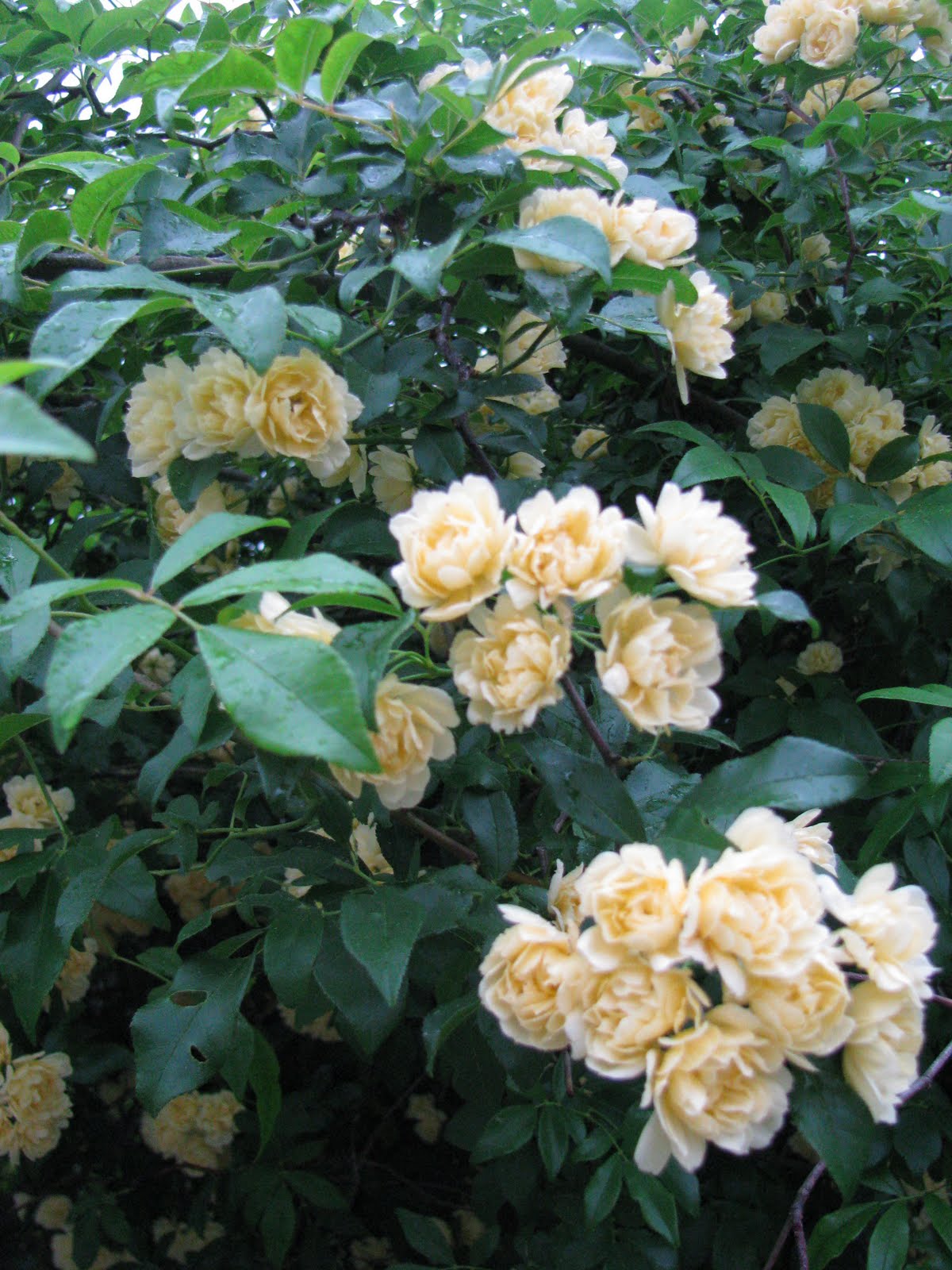
As the days and weeks have gone by, I’ve continued this morning routine even though the weather most days is well above freezing and I don’t need to monitor the feeders as closely. Going into the garden before dawn is something I look forward to each day. I quietly listen, watch, and wait as our world wakes up. At first light, I hear the cardinals and chickadees begin the chirp, chirp – chirp, chirp. The cardinals, one by one, fly to the pergola with the Lady Banks Rose and soon there are dozens on the nearly bare branches that look like red Christmas tree ornaments. Soon after the chickadees and cardinals begin to gather and the sky is turning a lovely shade of peachy pink, Joy magically appears for her morning “nectar”. Zooming in for a quick sip sip, she then perches for a while in her Monsieur Tillier rose bush and we have our early morning “chit-chit chat”.

So, how long will she stay in my garden? Susan the researcher said perhaps as long as March when she decides it’s time to go back to the Northwest to find a mate. I do hope she will stay until March and I also hope she will revisit next winter.

But one thing is certain, I have learned so much about life from this tiny, yet brave and tenacious bird. Perhaps one of the most important lessons for me is to always remember that Joy can be found in my garden! The gift of her joyous, colorful, resourceful spirit will always be with me.

Happy New Year with Love and Joy!
Angie

Posted in Musings From Stoney Hill Farm | 1 Comment

Happy Thanksgiving!

We have been very busy working long days in our warehouse and office. On Saturday, the weather was so beautiful that I decided to spend some time outside.
Overall, we have enjoyed a mild and lovely Fall, with temperatures in the 50-60F range. We’ve not yet had a hard freeze, so our gardens are still filled with blooming Roses, Pineapple Sage, Honeysuckle, Mexican Sage, Sansanqua Camellia, and Zinnias. Ginger Lily and Osmanthus (Tea Olive) are still blooming and smelling wonderful and the birds and bees are everywhere.

On Saturday, I was relaxing in my secret garden when I heard the distinctive sound of hummingbird chitter twitter! I could hardly believe my ears! I thought I’d seen the last of our hummers until Spring of 2010! This past summer, just like every summer, we enjoyed hearing and seeing our many hummers buzz-fly from flower to flower and feeder to feeder. All summer long I’ve tried to take a picture of these magical creatures, but have not been fast enough. On Saturday, this precious little hummer perched on the Belinda Rose and waited patiently while I took picture after picture of her – isn’t she adorable!

This is a view of old Rose Cottage – a former share cropper’s home. This little cottage here on the farm is over 100 years old. Sasanqua Camellias are blooming profusely in the foreground with Mexican Petunia in the background.

This magnificent Monsieur Tillier Tea Rose is in bloom from Spring to Fall. These roses are near the Stoney Hill Farm sign beside our warehouse. Monsieur Tillier also grows and blooms in our other gardens. I propagated these roses myself which are now about 8 feet tall and just as wide. True Tea Roses are perfect shrubs for Zone 8 gardens with lots of room. They are not demanding, easy to grow and free from pests. All of these pictures were taken this past weekend.

Another Sansanqua Camellia beside The Herbarie office. Camellias don’t have a scent, but the blooms and evergreen foliage are just gorgeous.

My husband Earl and I are animal lovers. In addition to our wild birds and other wild creatures, our farm is home to Sally – our Great Pyrenees, our three Nubian goats – Rose, Petunia, Pansy, a bunny named Tinkerbell, and many “rescue kitties”. These kitties have somehow made their way to us over the years. We support the dedication and hard work of our local animal shelter where animals are spayed and neutered and adopted into families. Earlier this year I wrote about Gracie and her kitties – Dahlia and Poppy. Soon after the kitties were born, we acquired Sir Thomas, called Tommy, whom we are guessing is Kitty Daddy. Now Sir Thomas, Gracie, Dahlia and Poppy are one big happy (and neutered) family. Poppy is resting after a long day in the garden.

We have so much to be thankful for here at Stoney Hill Farm! We are thankful for our family, dear friends and customers, superb staff, our thriving business, and our special place on Earth that brings us so much joy.

Happy Thanksgiving!

Angie

Posted in Musings From Stoney Hill Farm | 1 Comment